There’s a kind of tired that sleep doesn’t fix. It’s not just the school runs, deadlines, or endless laundry, it’s the invisible checklist running in your mind at all hours.
Did you sign the form? What’s for dinner tomorrow? Are they eating enough vegetables? When was the last time you restocked the snacks?

This is the mental load of motherhood: the constant planning, anticipating, and remembering. For many mums, especially those balancing careers, children, and households—it’s less about what you do, and more about what you carry mentally, every single day.
And because so much of it happens quietly, it often goes unseen.
The good news? While the load may never fully disappear, read on for ways to make it feel lighter and more manageable, more shared, and less overwhelming:
1. Create Systems That Work for You
One of the simplest ways to reduce mental clutter is to stop trying to hold everything in your head. The aim is not perfection, but getting thoughts out of your mind and onto something you can see and work from. A clear system helps you stop re-remembering the same things all day long and frees up mental space for everything else.

Tips to Remember:
- Categorise tasks by urgency instead of dumping everything into one overwhelming list. Write things down the moment they come to mind using a simple notepad, or kitchen whiteboard — things like “buy detergent”, “sign school form”, or “schedule replacement class”.
- Tackle tiny tasks immediately if they take under 2 minutes, such as replying to a school message, putting uniforms in the wash, or packing snacks for the next day.
- Build a simple weekly rhythm by setting aside time to sit down with your spouse and talk through the week ahead, covering school events, work commitments and errands. Doing this consistently helps you both stay aligned and makes the week feel more shared and less reactive.
When routines become predictable, your brain doesn’t have to work overtime. You’re no longer constantly remembering, you’re simply following a rhythm that works for your family, which in turn creates breathing space.
2. Lean On the Right Support
There’s a silent pressure many mothers carry — the need to do everything well: nutritious meals, tidy homes, meaningful family time, successful careers. It’s a lot to hold. But instead of doing it all alone, having the right help or companion in daily routines can make things more manageable and sustainable.
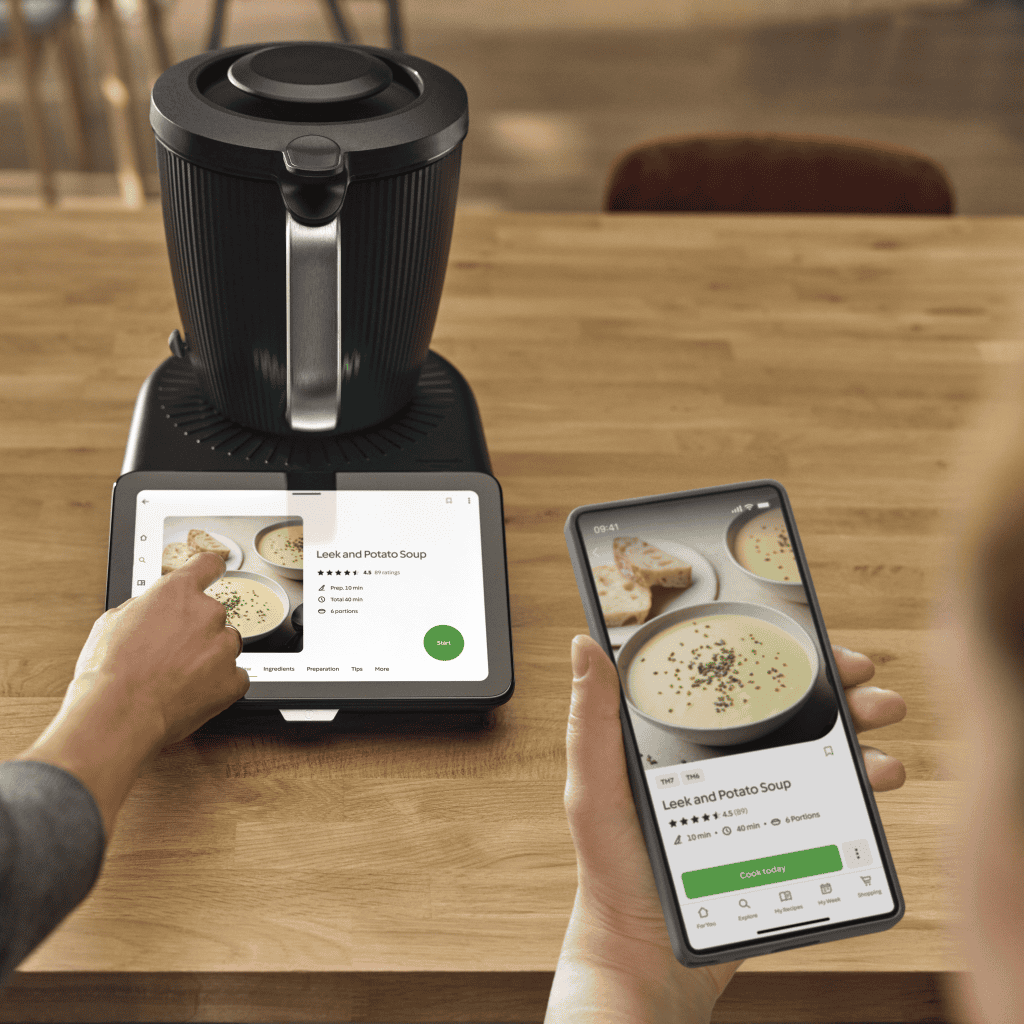
Take meal planning, for example; a daily to-do that undeniably adds to the mental load. With a smart kitchen appliance like the Thermomix TM7 however, everyday cooking becomes simpler and more streamlined, reducing the pressure of meal planning and prep. By handling chopping, mixing, and step-by-step recipe guidance, it helps mums create meals with less effort and decision-making, freeing up time and space for what truly matters — family, connection, and being present.

Tips to Remember:
- Ask yourself: “What actually matters today?” Not every meal needs to be elaborate; some days, a simple, comforting option is more than enough.
- Save your energy for the moments that matter most, like being fully present during bedtime stories, conversations, or homework help, even if other things can wait.
- Invest in tools and systems that support you — whether it’s meal planning or kitchen help — so you’re not carrying every step of the process alone.
3. Protect Your Time and Energy

When you’re constantly giving to your work, your children, your family—it’s easy to lose sight of your own capacity. And yet, your energy is one of your most important resources.
Tips to Remember:
- Protect small daily pauses, like that quiet coffee in the car after drop-off for a reset.
- Put up set boundaries. For example, don’t answer work messages during dinner or bedtime so you’re not physically present, but mentally elsewhere.
Resets are highly important to get you through the day. These moments aren’t indulgent. They’re necessary. Because when you’re less depleted, you’re more present for your children, your partner, and yourself.
4. Utilise Digital Tools and Tech
Simple digital tools can also help take some of that pressure off by keeping important information in one place, and making everyday planning more seamless. When systems are shared, it also reduces the need for one person to carry the family’s entire mental checklist alone.

Tips to Remember:
- Use a shared Google Calendar with your partner to track school events, appointments, activities and important family dates in one place.
- Use digital budgeting or expense tracker apps to monitor household spending, school fees, and recurring bills in one place.
- Set recurring alarms or timers for medication schedules, school pick-up reminders or meal prep tasks.
- Use recipe platforms like Cookidoo to bookmark favourite family meals, organise personal recipe collections and automatically generate shopping lists while planning your weekly menu.
5. Communicate Clearly with Your Partner
Again, the mental load often becomes heavier when it isn’t shared. Many mums don’t just manage tasks, they manage the thinking behind those tasks.
For example, instead of reminding your partner about bedtime every night, agree on a shared routine. Perhaps someone can handle baths, while the other does storytime and lights out; this ensures that both of you are helping tp carry the mental load, not just the tasks.
This teamwork can also extend into the kitchen. With helpful tools like the Thermomix TM7 as a companion in the kitchen, husbands can easily see what recipes their spouse has bookmarked, pick a meal idea, and even take the lead on cooking for a special occasion, or weekend dinner.

Tips to Remember:
- Timing is everything. Don’t raise reminders when your partner is already stressed or rushing. A calm time leads to better follow-through, not frustration.
- Make it visible, not mental. Write down reminders on a whiteboard or fridge checklist, so nothing relies on memory alone.
It’s a small shift, but a powerful one. Because when both partners carry the mental responsibility, it stops feeling like one person is holding everything together.
At its core, the mental load of motherhood isn’t just about the tasks; it’s about the constant responsibility of holding everything together. But it doesn’t have to be carried the same way, all the time.
With the right systems, clearer communication, and small but meaningful support, whether from the people around you or the tools you bring into your home, it’s possible to create more space in your day.
Remember, #makchicmumsquad: motherhood was never meant to feel like a never-ending checklist. And sometimes, lightening the load even just a little, can make all the difference.
This is a sponsored post by Thermomix.
The Thermomix TM7 is a smart kitchen companion that simplifies everyday cooking, helping reduce the mental load of meal planning and prep. By handling the details, it creates more time and space for mums to focus on family, connection and being present. The guided cooking system lets you prep soup, pasta sauce or one-pot meals with minimal thinking, fewer steps, and less cleanup after a full day of parenting.
Follow them on Instagram and Facebook.