We often spend years teaching autistic children how to fit into the world. But what if, instead, we paused and asked — what would the world look like if it were designed for them?
The theme for World Autism Awareness Day 2026 — “Autism and Humanity: Every Life Has Value”—calls us to move beyond awareness and recognise neurodiversity as an essential part of our shared human experience. It reminds us that inclusion is about valuing every individual fully.
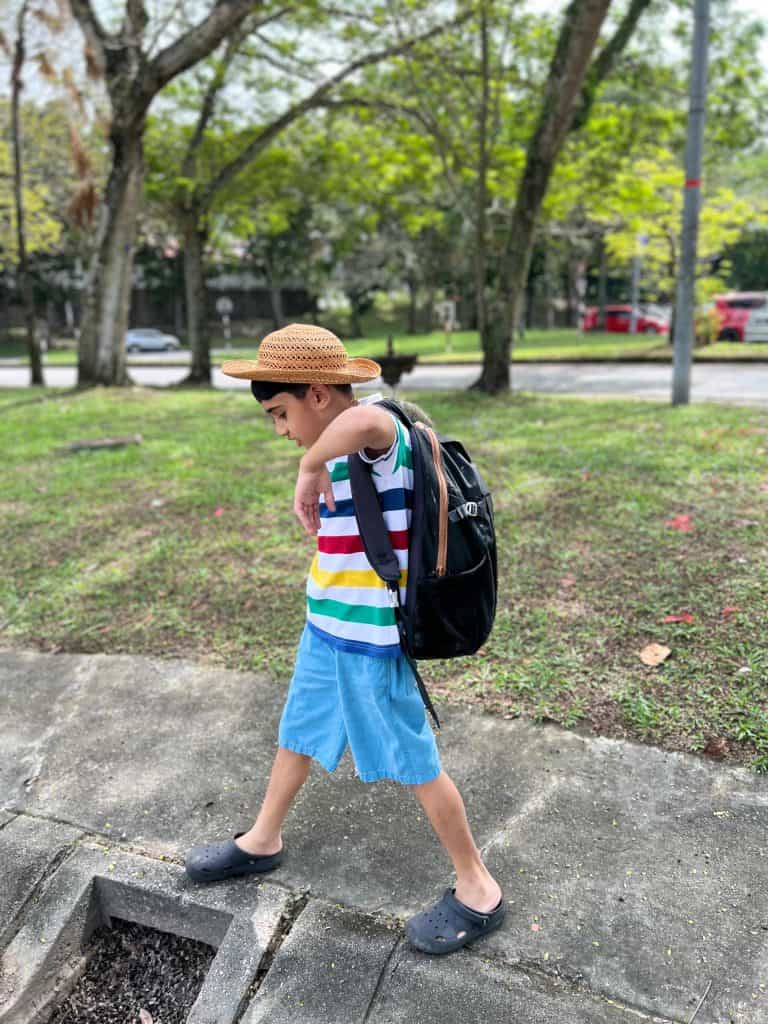
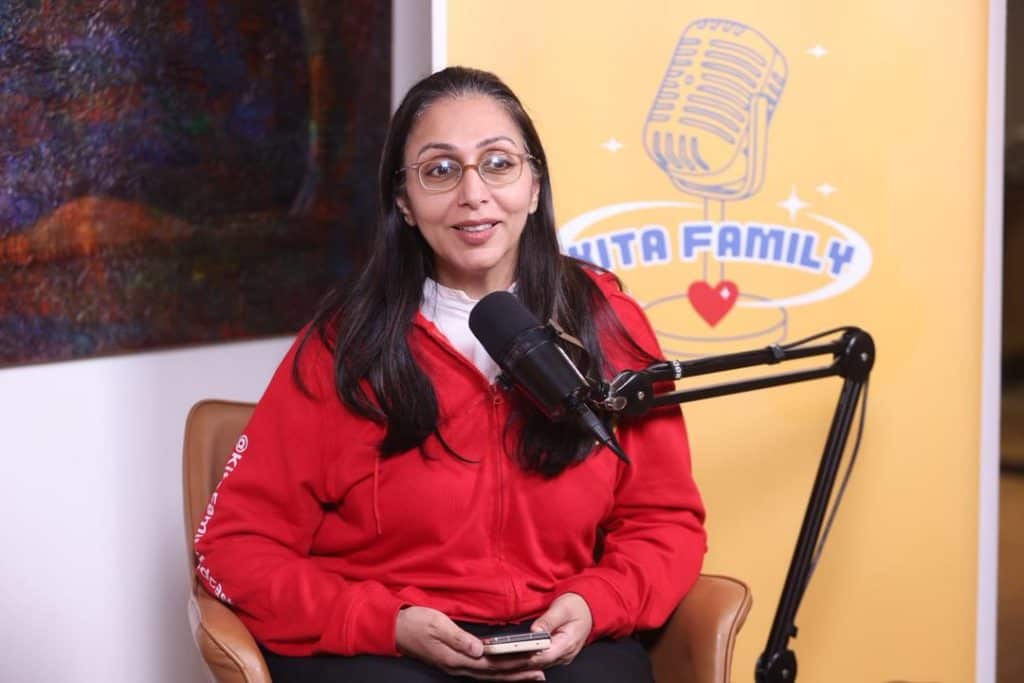
Nori Abdullah, owner of We Rock The Spectrum Kid’s Gym Malaysia and Kita Family Podcaster (a podcast by five mothers raising neurodivergent children, started in 2024), shares her wish as a parent on inclusion:
“What I would like from the world? A level of understanding in our society as a whole, where people are prepared to do things in their own way to support, include, and accommodate anyone they know who is autistic. When we know someone at work is vegetarian, we automatically think about them if there’s a work lunch together. I hope that every autistic person can be surrounded by people who automatically think of their needs and make them feel they belong.”
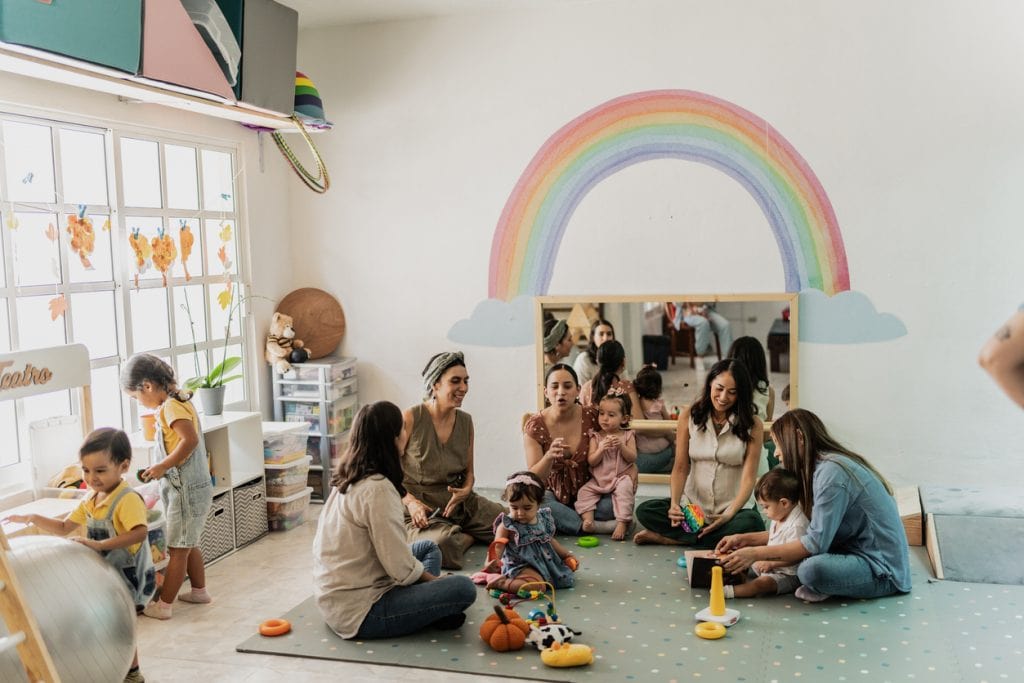
For decades, autism conversations centred on awareness. This Autism Awareness and Acceptance Month, let’s imagine a world built for autistics.
Play: Where Joy Feels Safe
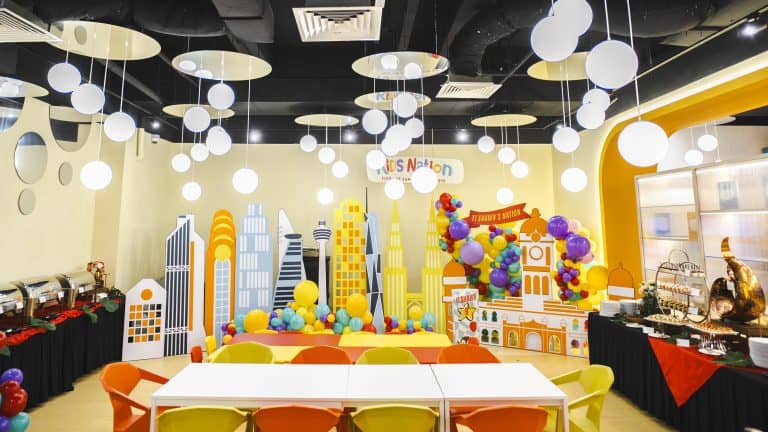
Imagine a playground where sound isn’t overwhelming, where there are quiet corners alongside climbing structures, and where children are free to explore at their own pace.
For many autistic children, play is not loud or highly social. It may be repetitive, sensory-driven, or deeply imaginative in ways that don’t always look typical.
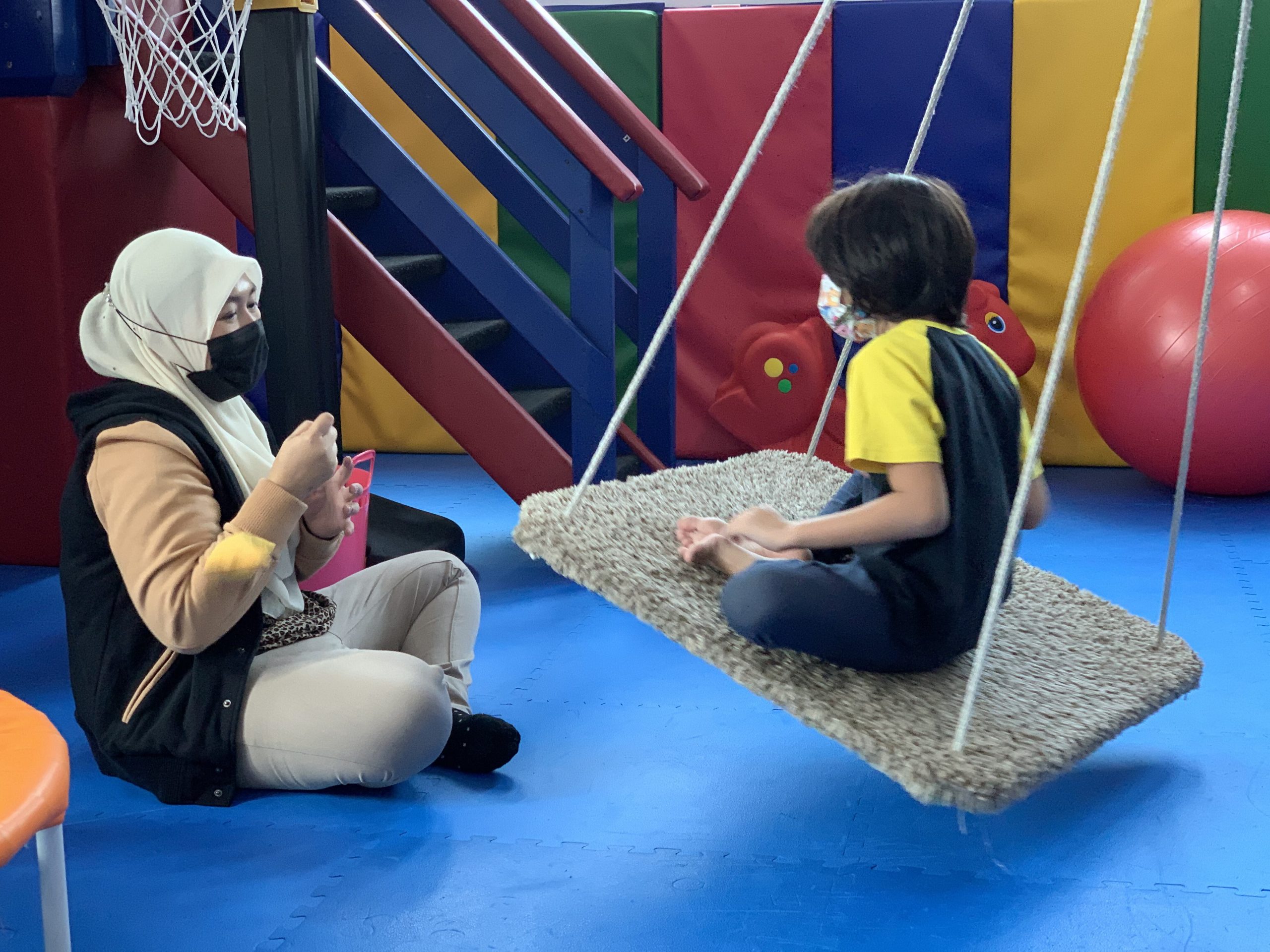
If the world were designed for them, playgrounds would celebrate this. Indoor playgrounds would no longer have strict age limits—some individuals enjoy these spaces well into their teens and adulthood.
There would be sensory-friendly equipment, clear visual cues, and spaces that allow both connection and retreat. Other children would grow up understanding that play looks different for everyone—and that different doesn’t mean wrong.
Learning: Where Differences Are Expected
In classrooms, success is often measured by how well a child can sit still, follow instructions, and respond quickly. But what if learning environments were designed with flexibility at their core?
If the world were designed for them, classrooms would not expect sameness—they would expect diversity. All teachers would be equipped to support inclusive classrooms and diverse abilities.
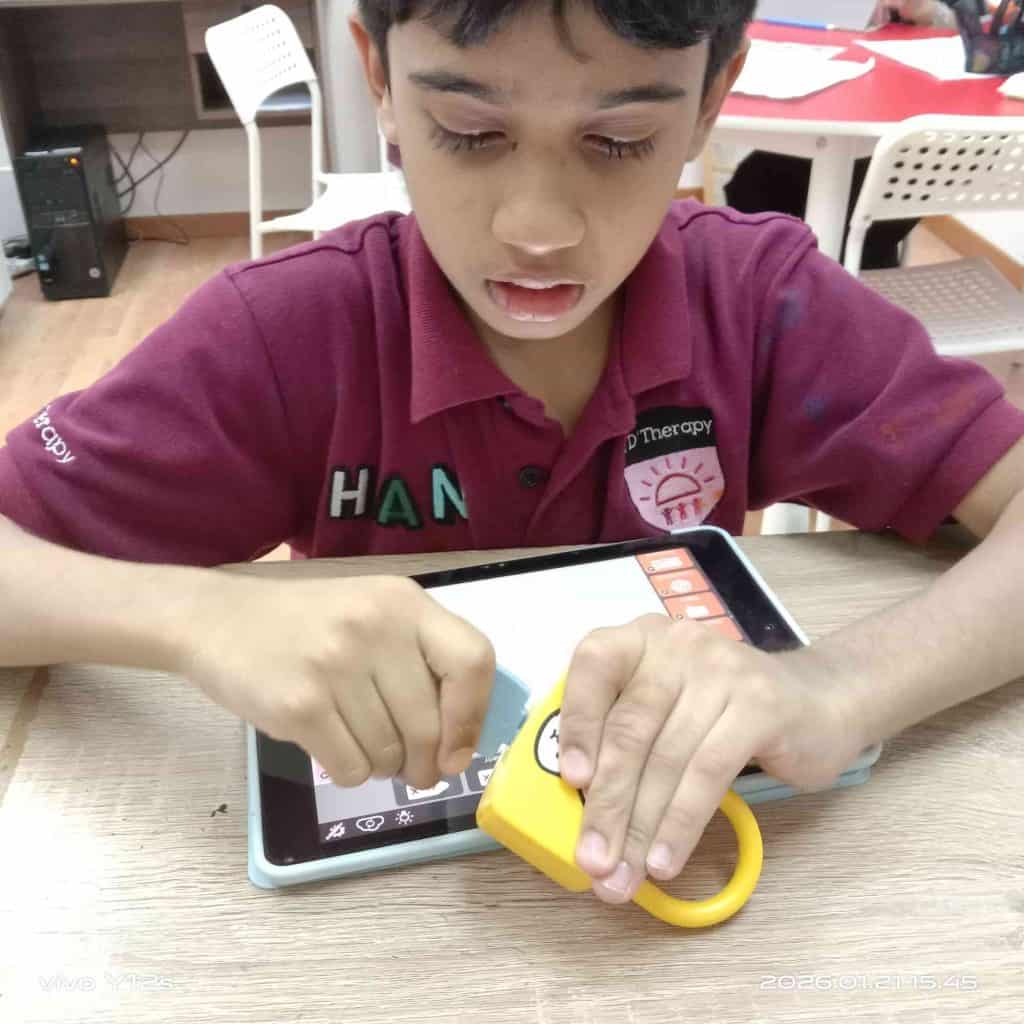
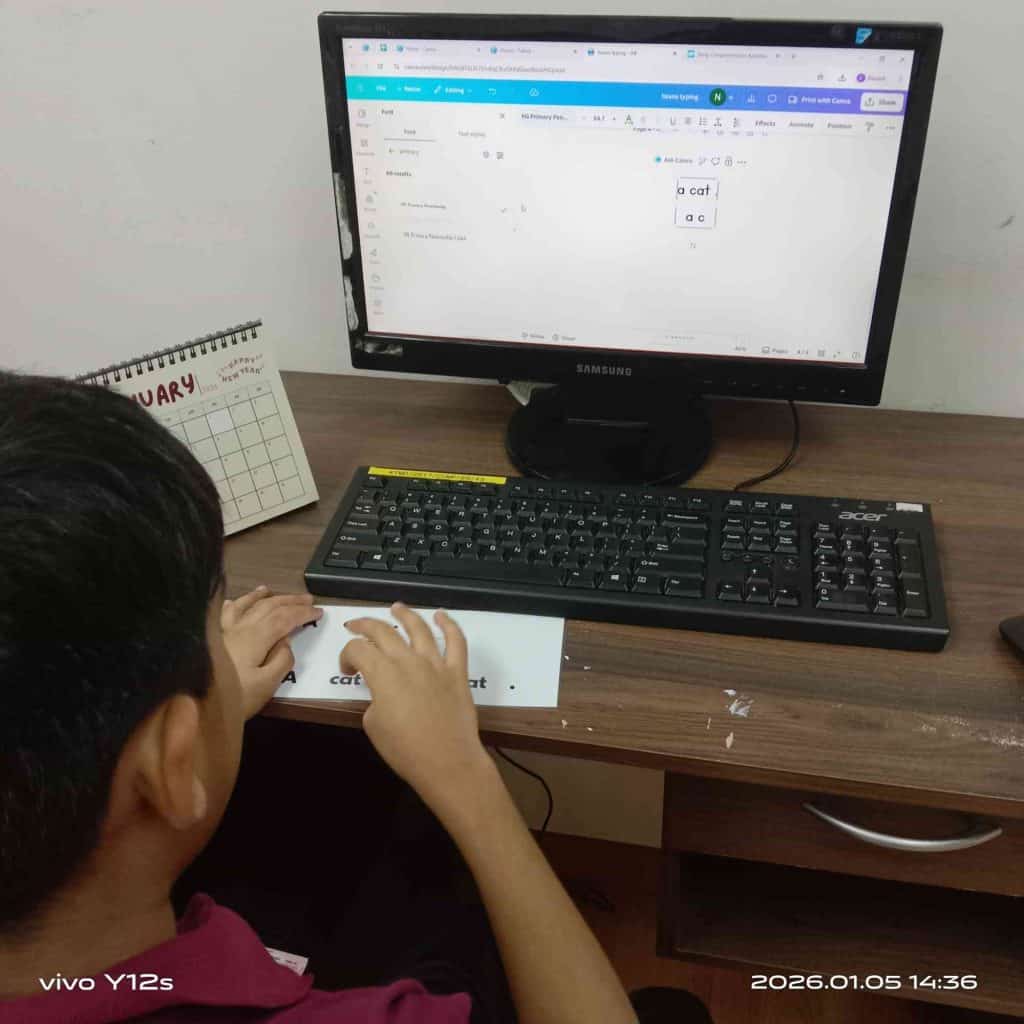
Instructions would be visual as well as verbal and assistive teaching and learning tools are a given. Movement would be part of learning, not a disruption. Silence would not be mistaken for disengagement, and communication would not always be verbal.
Most importantly, educators would not ask, “How do we get him to fit this system?” but rather, “How can this system meet him where he is?”
This benefits every learner. When we accommodate differences, we support everyone.
Relationships: Where Communication Is Understood
Social expectations can be challenging—eye contact, tone, and small talk often shape how we define connection.
But what if connection didn’t rely on one way of communicating?
If the world were designed for them, we would value all forms of expression. A child who communicates through gestures, scripting, or assistive devices would be just as heard as one who speaks fluently.
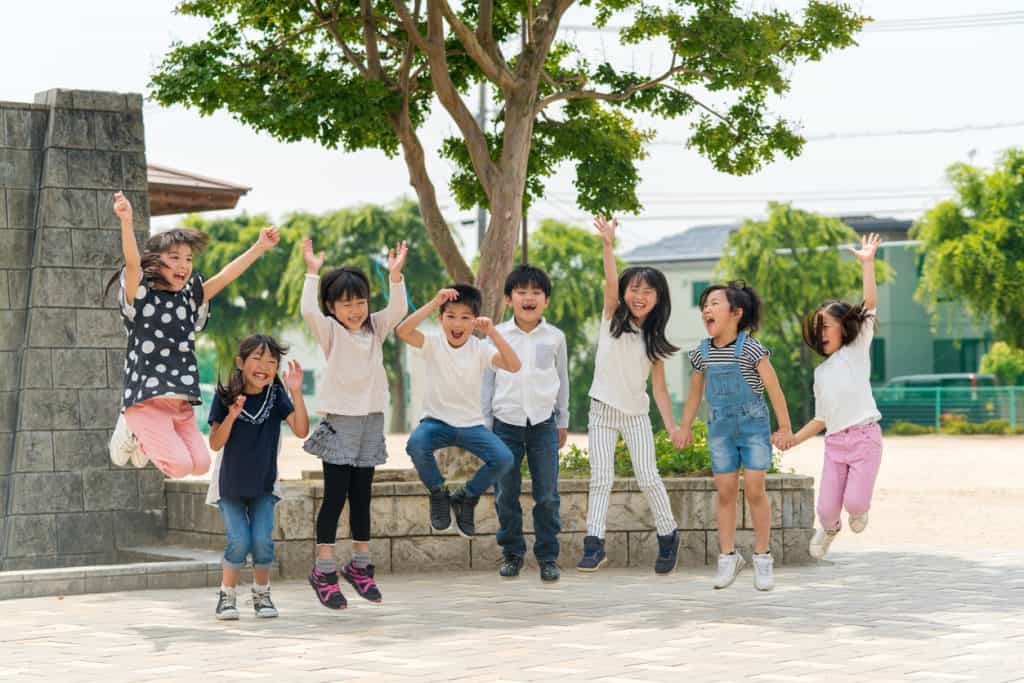
Friendships would be built on shared interests rather than social performance. Adults would model patience, curiosity, and respect—teaching children that understanding someone is more important than judging them.
Anit Randhawa, Parent Advocate and Kita Family Podcaster’s shares her wish for inclusion:
“An understanding that not all disabilities are visible. Hidden disabilities exist and some kindness would make it all easier for care partners and the autistic who is already adjusting to different settings.
Everyday Spaces: Where Inclusion Is Intentional
Now imagine if these spaces were intentionally designed to include, not exclude.
If the world were designed for autistics, there would be sensory-friendly hours in malls (which some malls actively offer), clear signages, and staff trained to respond with empathy. Restaurants would offer picture-based menus to support all forms of communication.
Events would include quiet rooms. Announcements would be predictable. Lighting and noise levels would be thoughtfully managed.
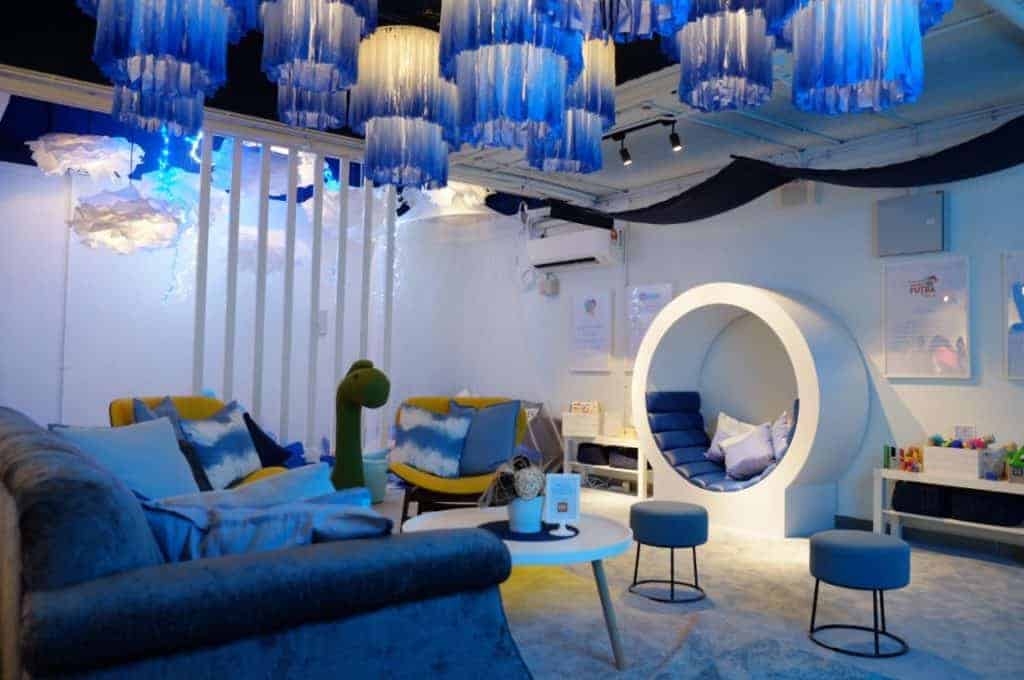
These are not extravagant changes. They are thoughtful ones.
And they make the world more accessible not just for autistic individuals, but for many others—young children, elderly individuals, and anyone who may feel overwhelmed.
Nik Nadia, Parent Advocate and Kita Family podcaster says:
“I wish for a respectful community. I have learned that with respect comes an understanding that everyone has preferences in every aspect of life—be it sensory needs, communication styles, social settings, routines, learning approaches, or daily lifestyles. When we honour these differences without judgment, we create space for people to truly be themselves. Mutual understanding, love, and respect are at the heart of truly celebrating autistic individuals.”
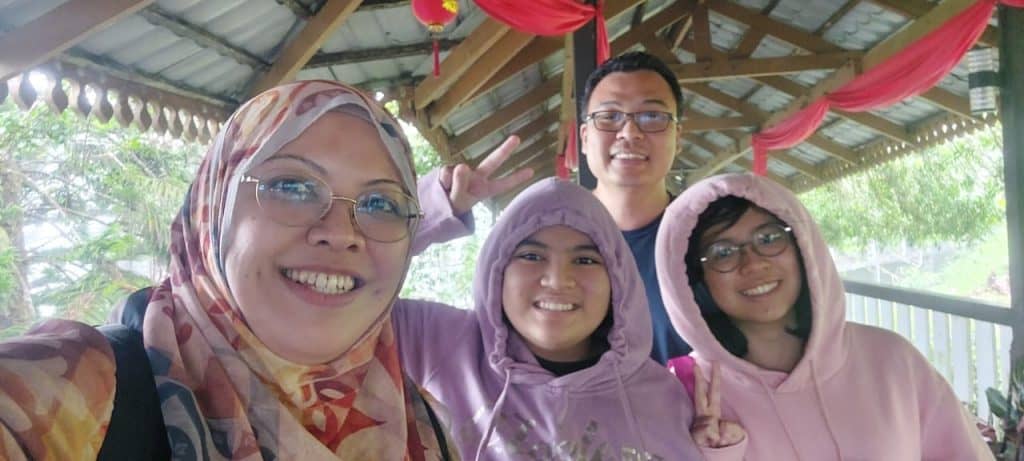
Inclusion Is a Design Choice
Inclusion doesn’t happen by accident—it is a choice that asks us to rethink what we consider “normal.” Designing a world that includes autistic individuals isn’t about removing all challenges, but removing unnecessary barriers. It means shifting from “Why can’t they adapt?” to “How can we do better?”
Kita Family Podcast, a weekly podcast on YouTube and Spotify, has conversations centered on honest, nuanced reflections on parenting, neurodiversity, and inclusion. Through sharing lived experiences and diverse perspectives, the podcast also regularly puts forward its own “wish list” for a more inclusive world—simple, thoughtful changes that can make everyday spaces more accessible for all. In doing so, Kita Family highlights that meaningful change is not only needed—it is possible.
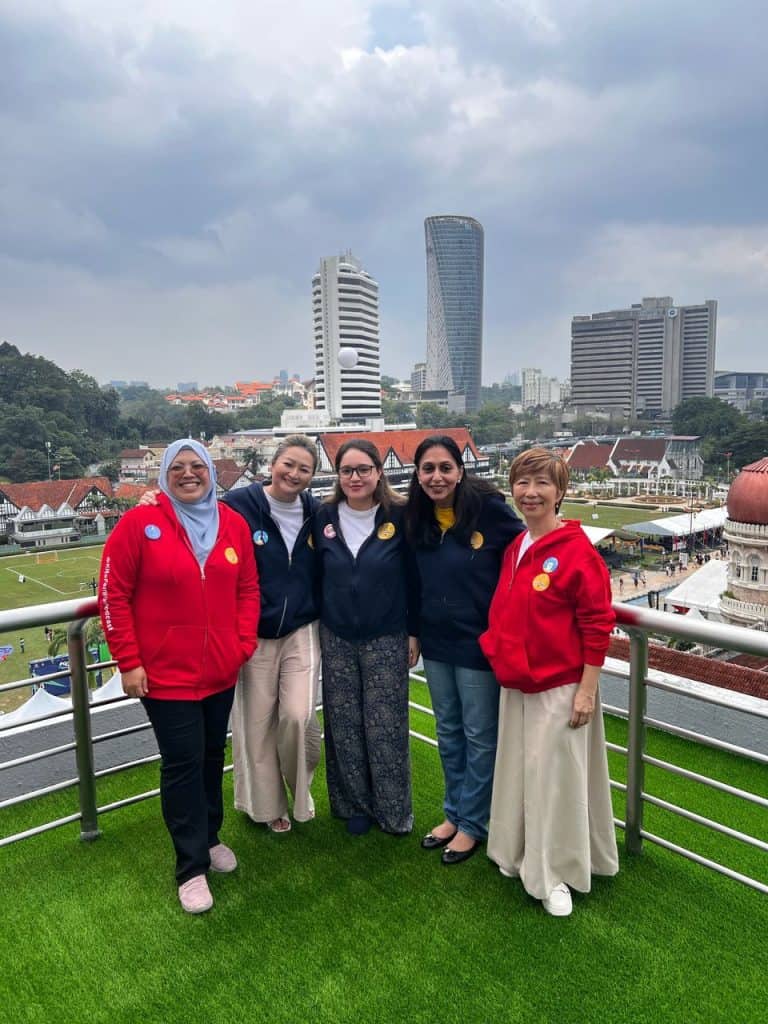
As parents, educators, policymakers, and community members, we all play a role in shaping the world around us. Because when we design with everyone in mind, we don’t just support autistic individuals—we create a better world for all.
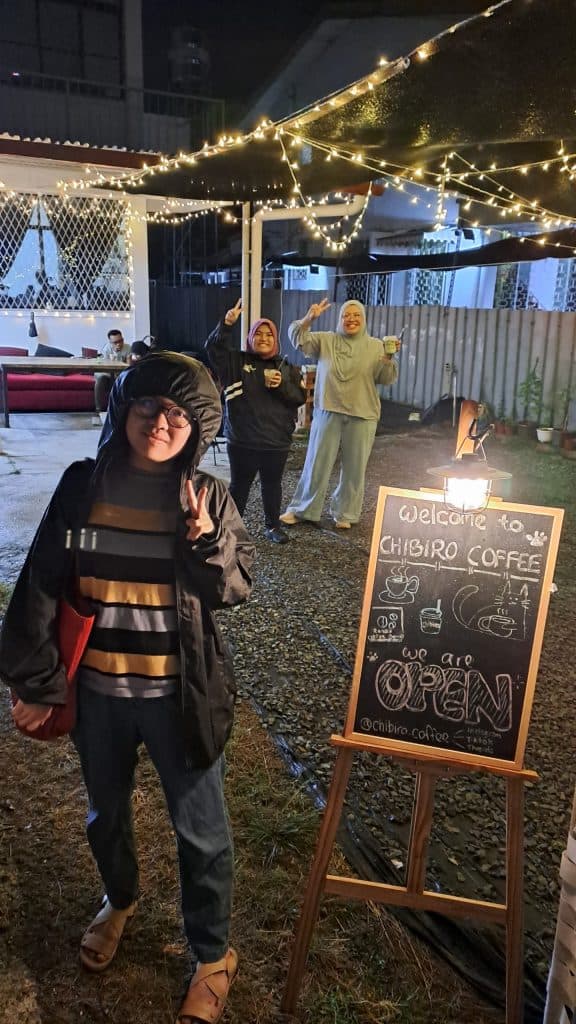
As Nik Nadia reminds us as she reflects on her daughters’ love of cats and inclusive spaces:
“Finding things that each of us can enjoy at the same time—like a café with cats. It’s about appreciating individual interests while still enjoying common moments together. Drinks for everybody too—chocolate drinks for the kids, matcha or coffee for us.”
By Desiree Kaur
The writer is an autism advocate and educator who began her advocacy journey after her son’s autism diagnosis in 2017. She founded Project Haans in 2019 to raise autism awareness and has since become a strong voice for neurodivergent families. Holding a Master in Education (Special Education), Desiree combines her professional background in Public Relations with lived experience to empower parents through articles, talks, workshops, and the Kita Family podcast. She also leads an inclusive tuition centre and actively serves in Kiwanis Malaysia, championing awareness, inclusion, and support for all abilities.