Every year on World Down’s Syndrome Day (“WDSD”), I reflect on our journey with our daughter Isha. It has been twelve years of working hard to keep learning, growing, and sometimes quietly worrying. Isha, who happens to have Down’s Syndrome, has filled our lives with joy, her cute infectious chuckle, and her dogged determination. She is funny, opinionated, affectionate, and occasionally dramatic. She plays the violin, listens to pop music (Go K-Pop Demon Hunters, and Taylor Swift!), does Bharatanatyam and modern dance, watches sitcoms and WWE Women’s Wrestling. She loves conversations and being with people.
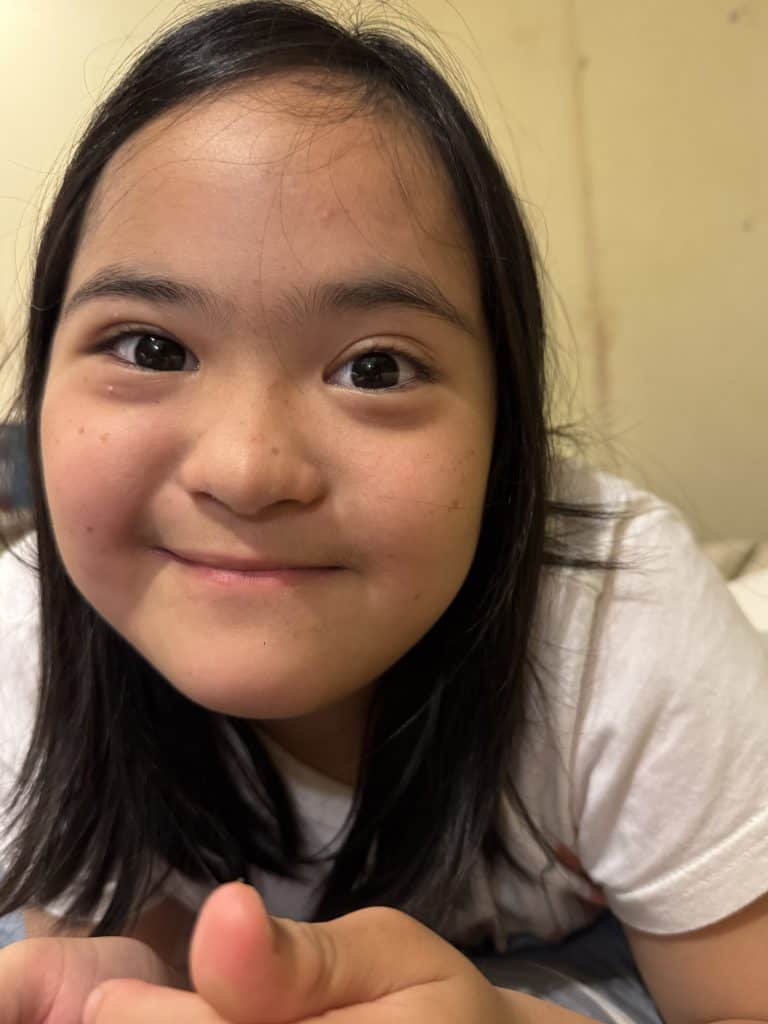
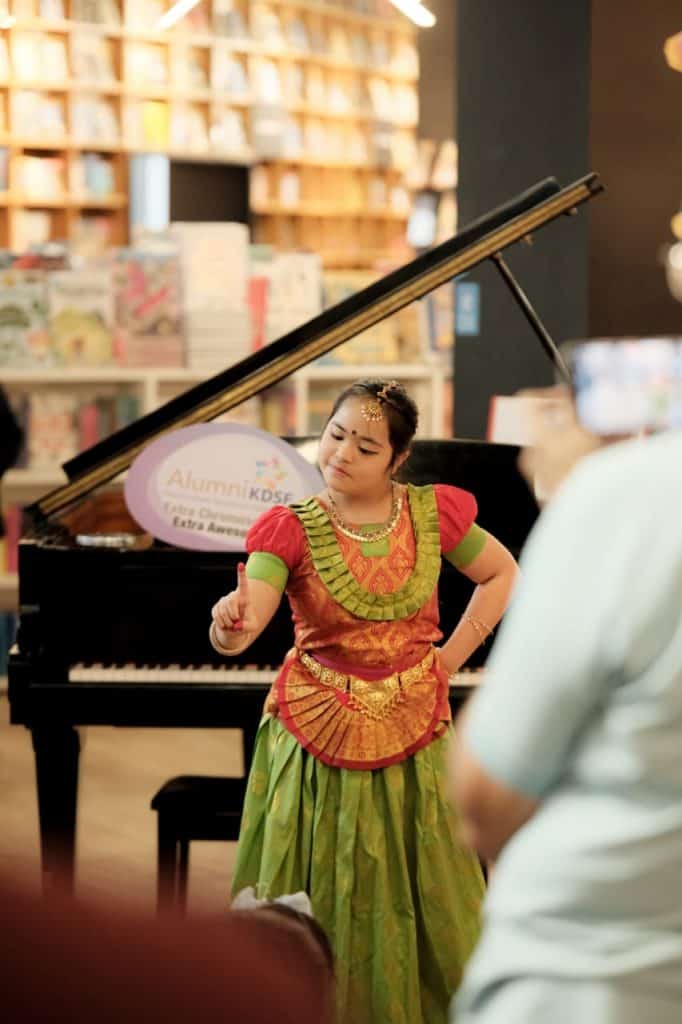
In Her Pre-Teens
Like many twelve-year-olds, she is now navigating friendships, social dynamics, and the complicated ecosystem that is middle school. Isha has much to offer in a friendship. She is fiercely loyal. She celebrates her friends with enthusiasm. She is also wonderfully uninterested in the subtle social hierarchies that preoccupy many pre-teens.
If she likes you, you will know it.
If she is happy to see you, she will show it.
In a world where many struggle to form genuine connections, these are not small qualities.
Unfortunately not everyone can see it, but I think she’s so courageous and cool for being who she is and for all the things she’s had to go through since she was born.
That is why, every year on WDSD, families like mine celebrate loudly. We wear bright mismatched socks, share photos and talk proudly about our children with Down’s Syndrome. Our social media feeds will be flooded with messages about inclusion, acceptance, and the value of diversity.
But this year, I want to talk about something quieter that many of our children face, especially as adolescents.
Loneliness.
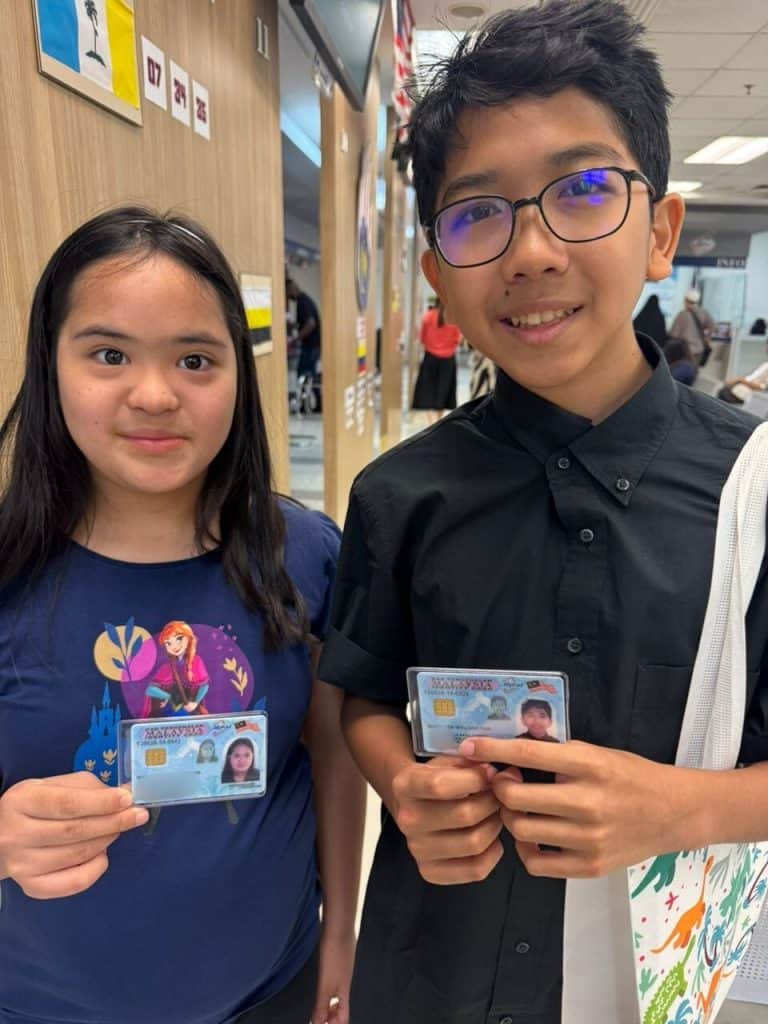
Friendships are Shifting
When Isha was younger, friendships came more naturally. At playgrounds and parties, kids would just mingle and play without caring about differences. But as Isha, her classmates and peers grow older, friendships have begun to change. Playdates have turned into group chats. Games have become more complex and competitive. Conversations are now faster and more nuanced, filled with social cues and sometimes judgements that children like Isha with Down’s Syndrome find harder to read or navigate. While other children are forming tighter circles, my daughter sometimes finds herself on the outside looking in.
In the middle years, Isha has encountered the ugly side of social dynamics that many tweens and teens face – insecurity, unhealthy competitiveness, shifting loyalties. Disability doesn’t shield a child from these experiences.
There was the classmate who constantly complained that Isha received “more help” from teachers, implying that it gave her an unfair advantage when such accommodations just level the playing field.
There were also social recalibrations that tweens and teens seem to specialise in.
Almost overnight, close friendships cooled, and old friends began to keep their distance. No dramatic confrontations, just quiet endings common in adolescence – a gradual dropping of someone who no longer fits the image you want others to see.
And then the whispers.
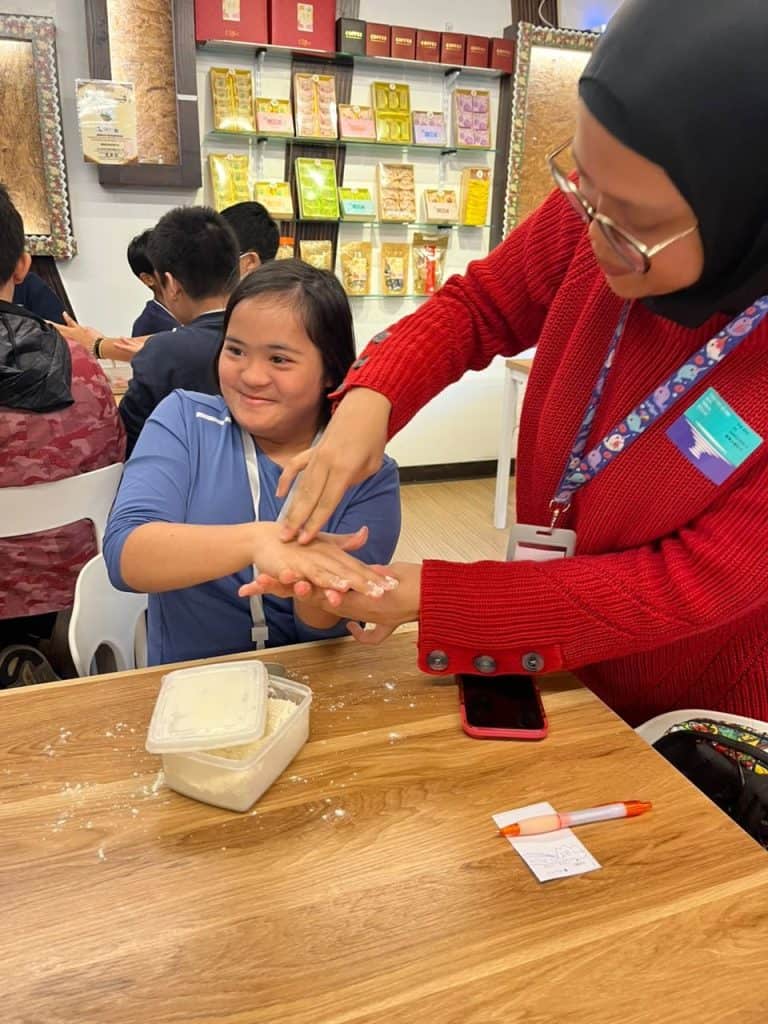
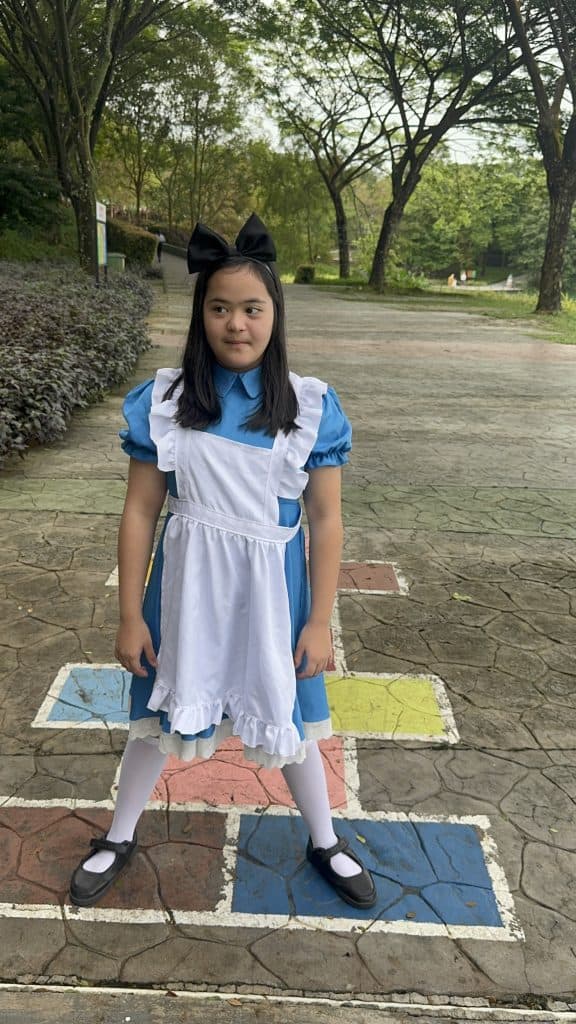
The Unkind Remarks
Every school seems to have a few children who build social capital through gossip. As an easy target, Isha has faced her share of that too – the occasional bad-mouthing, and unkind remarks.
None of this is unusual in middle school.
But when the child on the receiving end is differently-abled, these moments feel heavier, because exclusion has a way of reinforcing the quiet message that they don’t quite belong.
As a parent, I know I cannot control what other children do. However, I have been deeply disappointed by the indifference shown by the parents, though the sad reality is that some people will only genuinely care if they had a differently-abled child like mine.
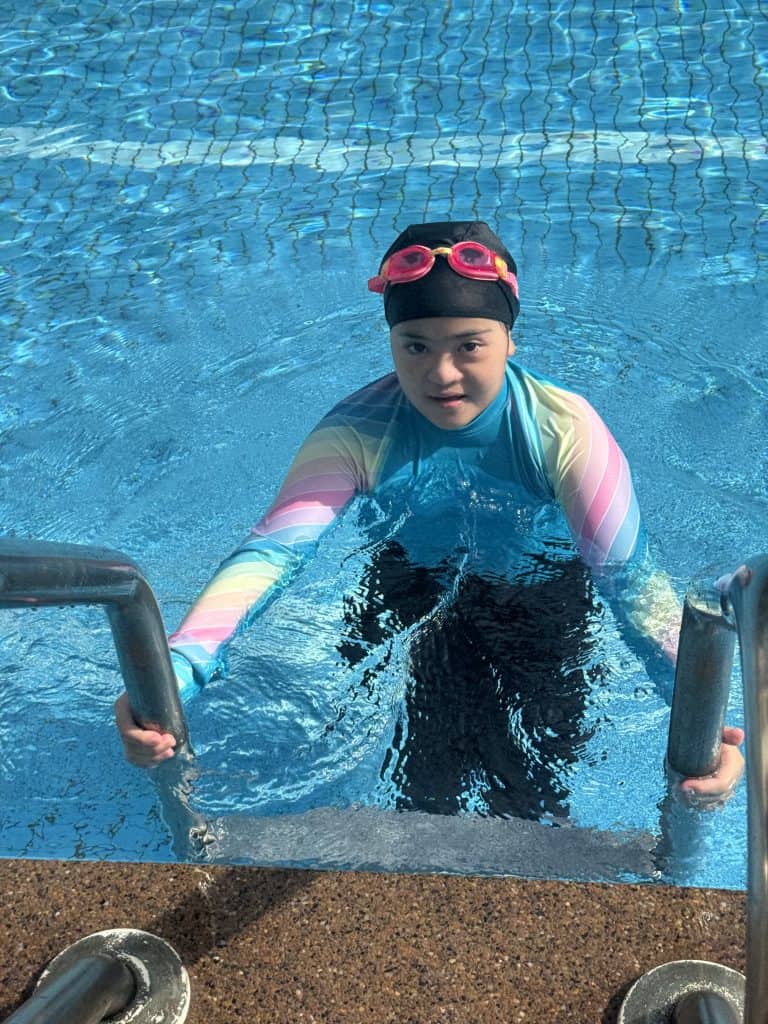
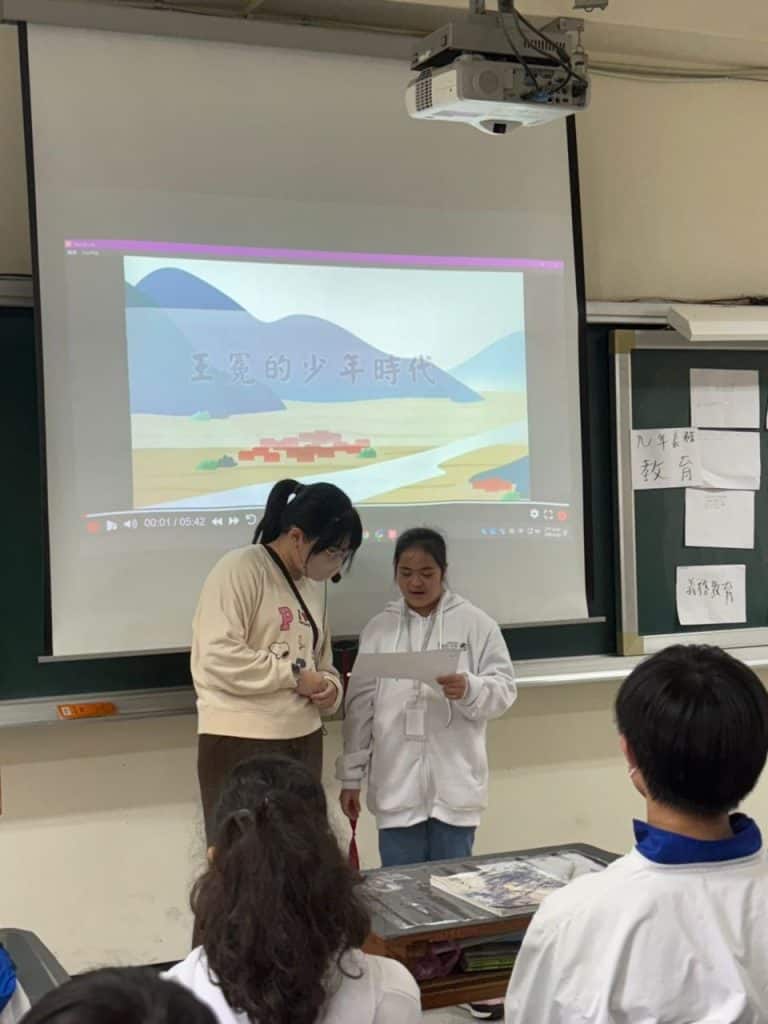
Loneliness for children like Isha does not always look dramatic. Often, it appears in small, fleeting moments that are not always obvious.
But my husband and I notice – the outing or gathering she wasn’t invited to, the classmates who are kind yet unsure about how to include her, the times when children gather in a tight circle and the conversation moves too fast for her to enter, and the knowing looks that kids who are not so kind give each other when they see her sincere but clumsy attempts to try. As a mother, these moments are slightly heartbreaking.
One Small Act Can Transform Her Day
Children can be mean, yet loneliness for children with Down’s Syndrome is not always the result of deliberate exclusion. Often, it appears in small social gaps – gaps created by differences in communication styles, processing speed, understanding or social expectations.
Children with Down’s Syndrome seek connection, conversation, and companionship. The challenge is rarely their willingness to participate but whether their environments are flexible enough to include different ways of participating, communicating, connecting and regulating emotions.
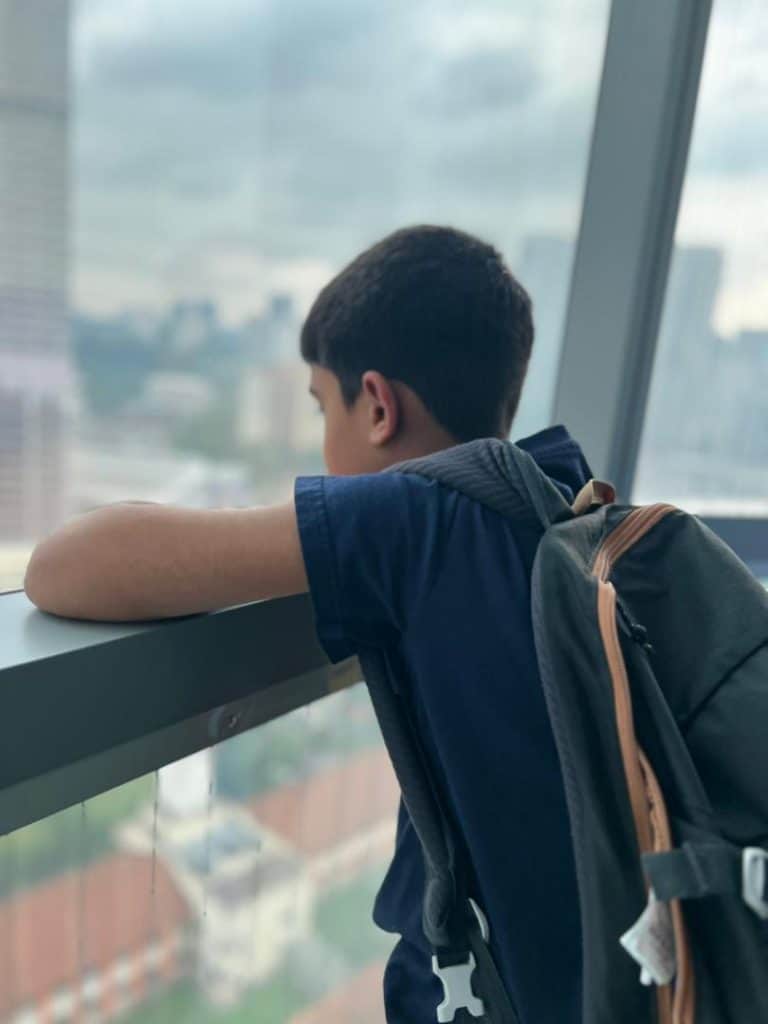
Isha often stands at the edge – watching, waiting.
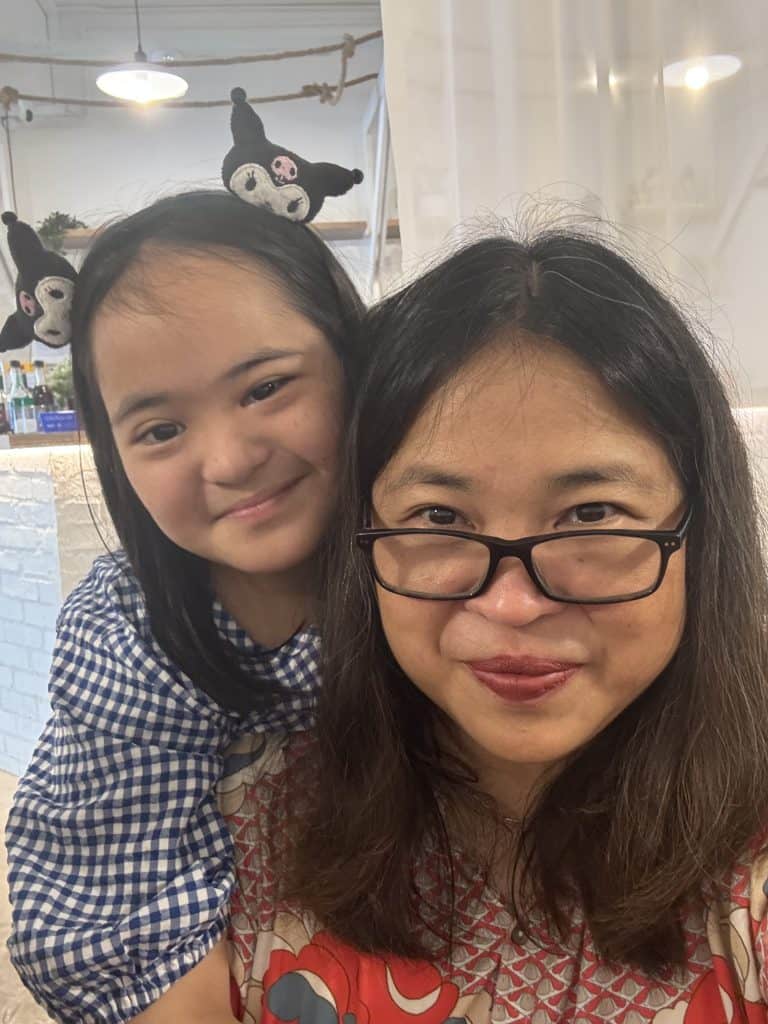
Sometimes another child notices and pulls her in. Her face lights up. Such acts of thoughtfulness are small miracles. They remind me how little it takes to transform the day of a child like her – and their sense of belonging.
For children like Isha, real connections and friendships may require a little more patience, a little more intention, and sometimes a little guidance from adults.
Loneliness fades when someone opens their heart and says with intention, “Come, join us.”
That is why the message for this year’s WDSD 2026 “Together Against Loneliness” matters so much.
Teach Children to Include
Inclusion is not just about placing children with disabilities in mainstream classrooms. It is about teaching all children that friendship can look different, how actions and communication can require more consideration, and kindness sometimes means simply slowing down.
Children with disabilities should be present in everyday life – not as once-a-year mascots for inspiration – but as ordinary participants.
And it’s worth saying clearly that inclusion is not charity. It is good social design.
Good design anticipates human diversity. It assumes that people learn differently, communicate differently, move differently, and participate in different ways. When systems are designed with that reality in mind – classrooms, workplaces, activities, social opportunities – more people can take part.
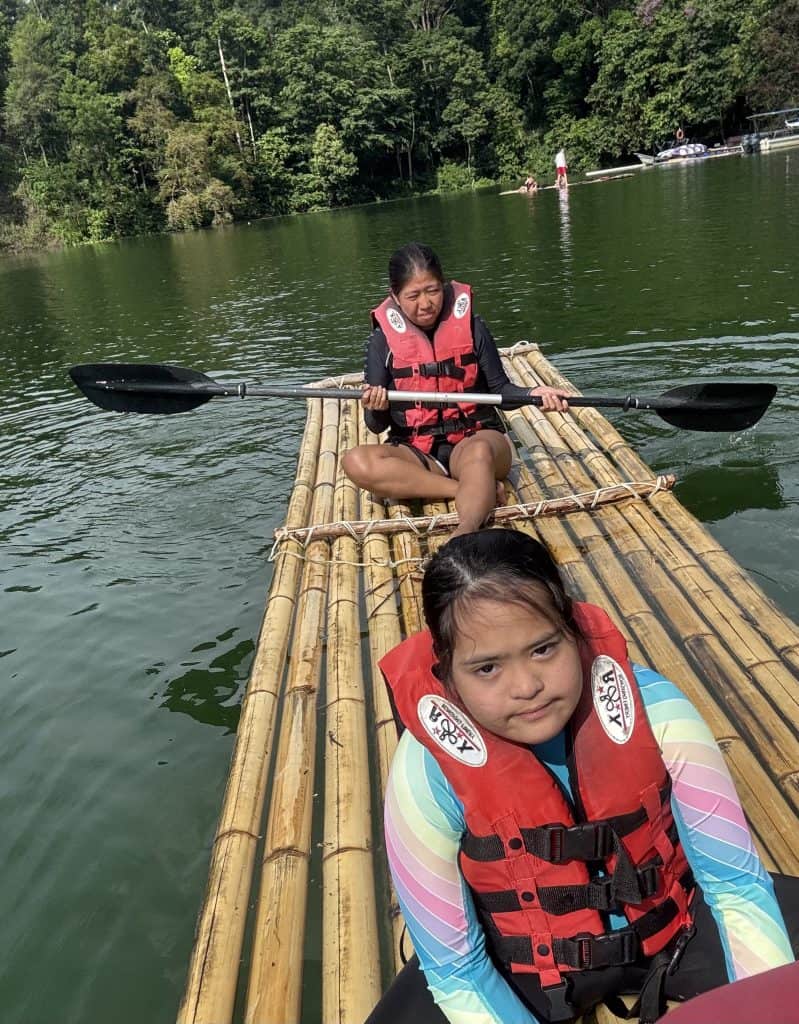
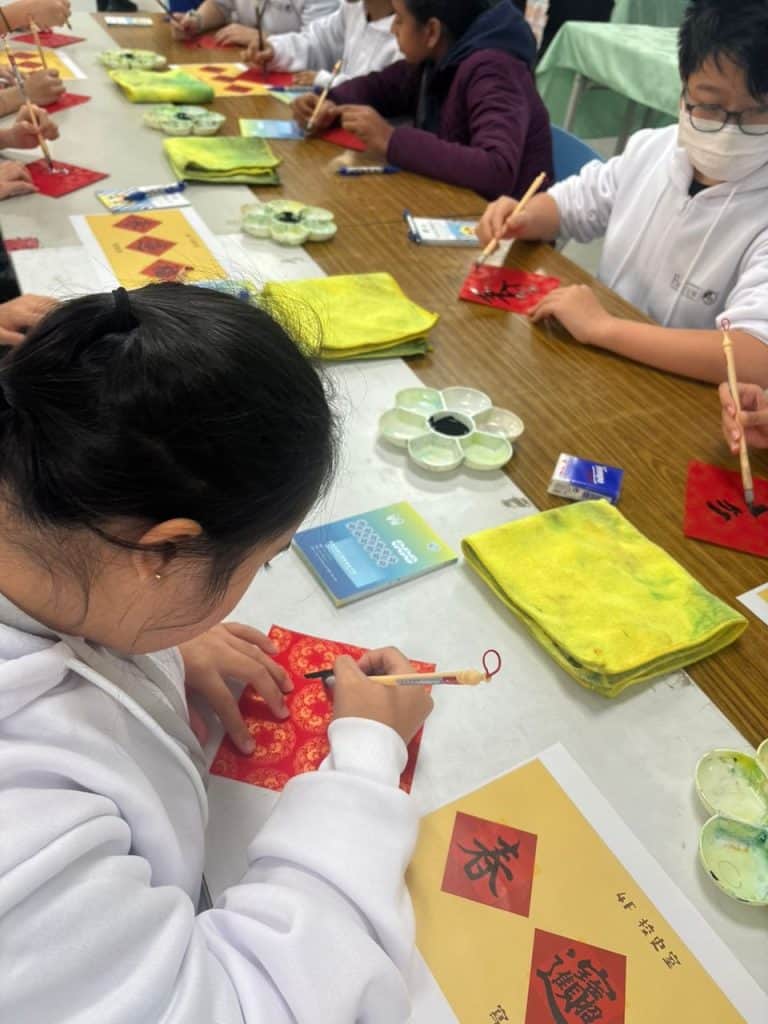
Children like Isha are not asking for special treatment. They simply need access and environments that expect them to be there, with peer groups that grow up understanding that difference is simply part of life.
We often talk about inclusion in terms of policies, and programmes. These are important. But real inclusion lives in smaller, personal everyday choices.
Help Children Like Isha Be Seen
When classmates look for her at break time or simply invite her to sit with them, that matters.
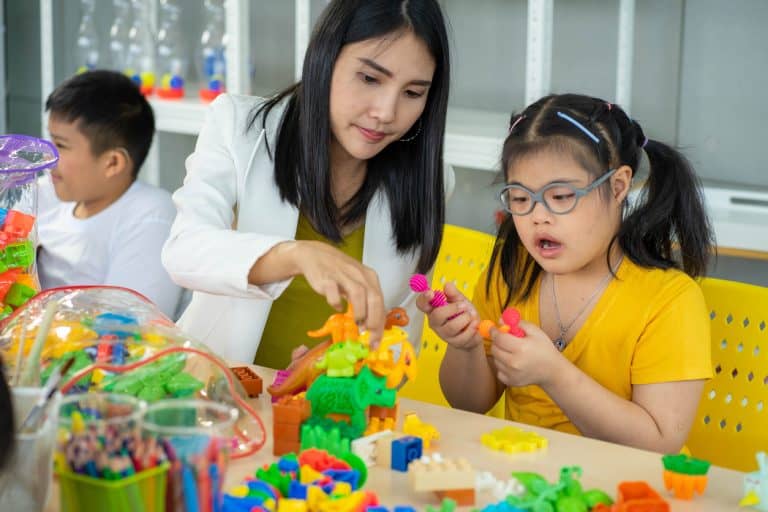
When a teacher ensures she is paired thoughtfully with a partner for a group activity rather than leaving it to chance, that matters.
When a child who doesn’t know her well agrees, with an open mind and heart, to room with her on a school trip, that matters.
When a parent encourages their child to do something that may not happen naturally like invite her or include her for activities or events, that matters more than they may ever realise.
Sure, it takes a little effort, but if you care about it and want to do it, you will. I know, as I too am a parent of a neurotypical child whom I try to highlight such matters to.
Community changes everything. Small actions build belonging. They may not always seem significant, but they can be life-changing for children like Isha by helping them feel seen.
For Isha and so many others “Together against Loneliness” isn’t just a theme for a day. It’s the future we are hoping to build.
So, this WDSD, let’s think about the quiet barriers that leave children like Isha who are standing just outside the circle.
Then, perhaps let’s show our children something very simple we can do when we see them.
Let’s show our children how to widen the circle, and let them in.
Li-Hsian Choo is a writer and children’s art educator who regularly co-facilitates art discovery tours and coordinates art programmes for children at a well-known public art gallery in Kuala Lumpur. You can follow her work through her Instagram account @arttourmums. Also an inclusive education advocate, she currently lives in Kuala Lumpur with her husband, and twins, a daughter and a son.