By Najmin Tajudin
Car doors slammed. We drove away in silence, the air conditioning on full blast. Another loss in the Malaysian heat- my son hadn’t won a single tennis match all year.
It was not long before I started listing all the errors I saw from the sideline; the hesitating footwork, the double faults, and the wild shots that went out of bounds. Frustrated with his lack of progress in tournaments, I told him that he should take a break. He cried, insisted on competing, and didn’t speak to me for days after the conversation.
I knew then that I needed to adjust my approach. My son doesn’t need me to fix his game. He needs a parent that will always be in his corner and help him navigate the challenges he will face.
Here are some valuable lessons I have learned about parenting a junior athlete:
Lesson 1: Understand the why- it starts within
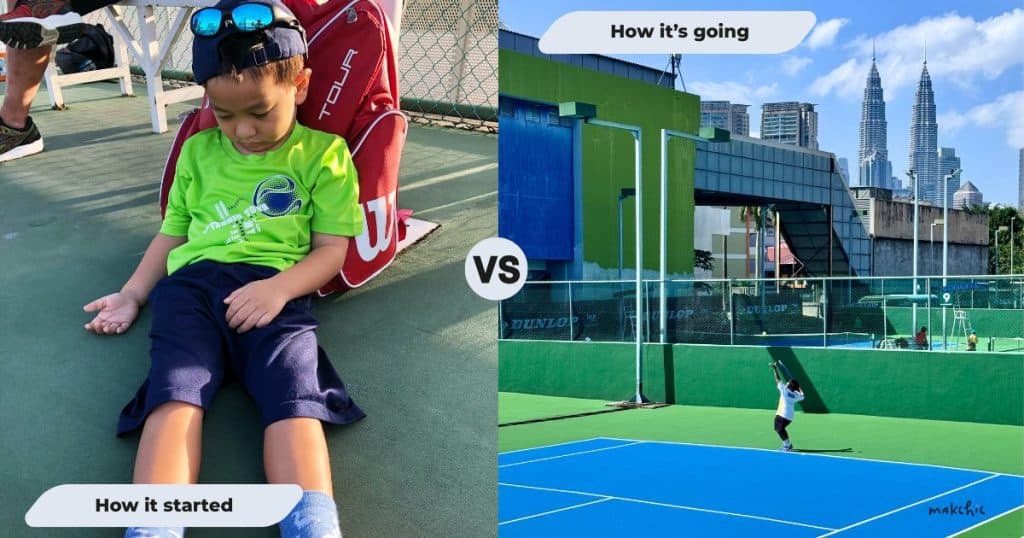
My husband played competitive tennis throughout his teenage years. He wanted the game to be one the family could play together. My son joined a local tennis academy before he turned 5. As he grew older, even as his older sisters left the sport, he stayed. He improved his play, made some great friends, and had to be coaxed to leave the court after practice.
Want your kids to continue playing sports in their teens? Psychologists E.L. Deci and R.M. Ryan shared the key factors that will keep your kids motivated – they are playing because they want to (autonomy), they are focusing on mastering a skill (competence), and they are doing it because they want to belong to a team or connect to their peers (relatedness).
Sideline Survival Tips:

Help your kids understand their why. Ask them about their practice session. If it’s about having fun with their friends, or skills they have been working on, they are still driven by their own motivation. If their answer is about their coaches or you, they may no longer be playing for themselves.

Adopt the “Hard Thing Rule”, shared by psychologist Angela Duckworth in her popular book, Grit: The Power of Passion and Perseverance.
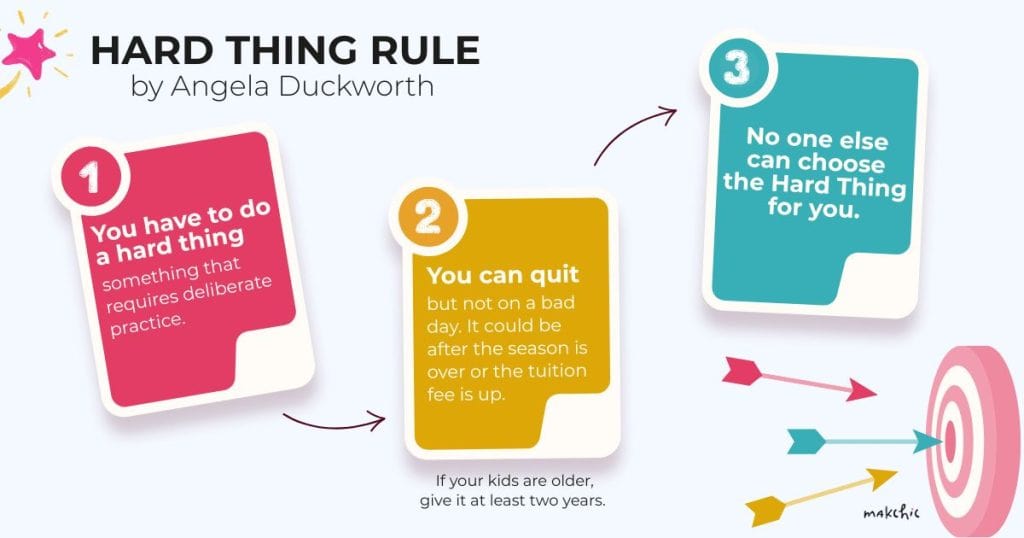
Lesson 2: Embrace the “Joy of Sport”
You may have heard of Manchester City’s top striker Erling Haaland, cross-country skier Johannes Høsflot Klæbo (who won gold in all the six events he entered this Winter Olympics), or top tennis player Casper Ruud.
From a small population of only 5.6 million, Norway has produced some of the world’s best athletes. Many attributed this success to strong protection for children in sports, ensuring positive early experiences.
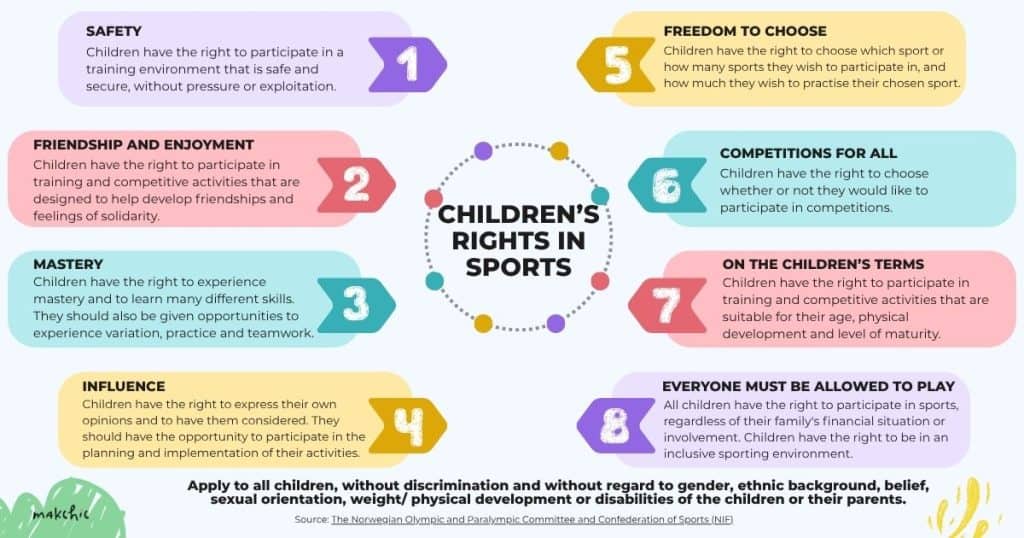
Fun must be part of the game. It is how kids learn and grow, and it is easier to keep going in the face of challenges when you love what you are doing.
Sideline Survival Tips:

What does keeping fun in sport really mean? Our view or the coaches’ definition of fun might be different from our kids’. Cut the guess work by prioritising these important parts in the Youth Athletes’ Fun Ethos, developed by sports scientist Amanda Visek.
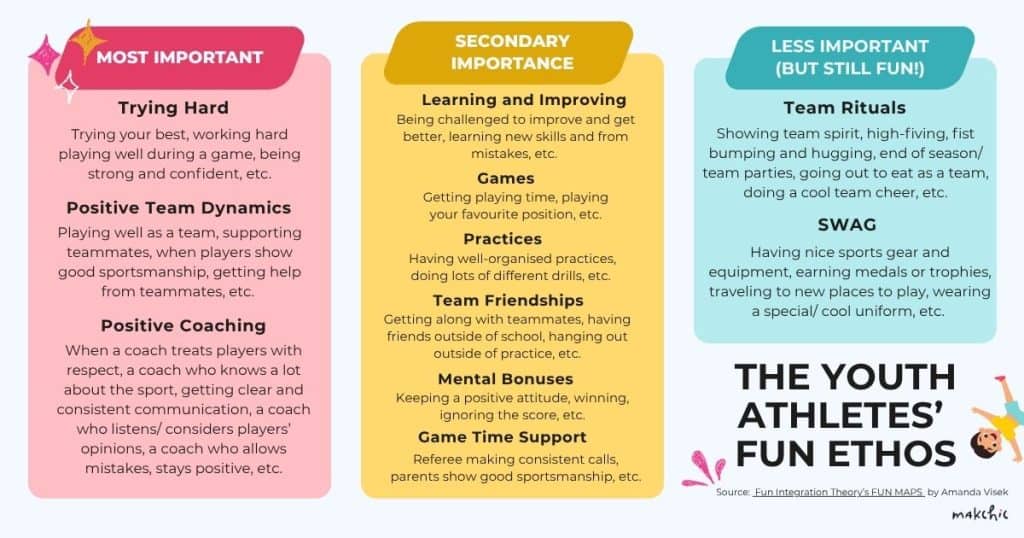
Lesson 3: You don’t need the early head start
Tiger Woods’ approach to mastering his sport is spending 8 hours on the golf course since he was 4 years old. But this is not the typical path for most athletes. Author of Range, David Epstein shared that most athletes take the former World Number 1 tennis player, Roger Federer’s, route.
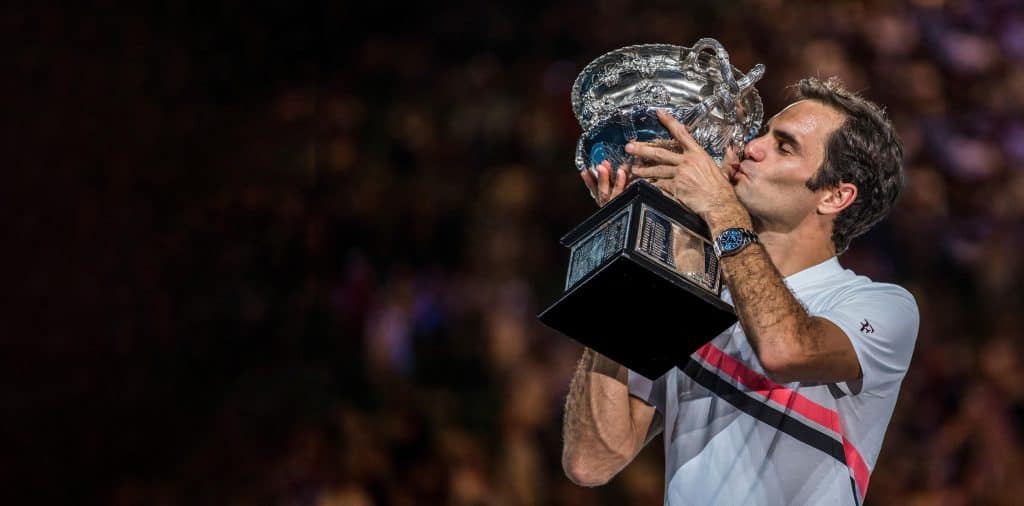
Kids may benefit from focusing on one sport from a young age. But many organisations, including the American Academy of Pediatrics, discourage pushing kids into early specialisation, which could lead to physical and mental burnout, and risk of injuries that may cause irreversible damage. Remember Norway? They share the same view.

Sideline Survival Tips:

Kirsten Jones in her book Raising Empowered Athletes, shares 5 reasons why kids should play different sports before they are 13:

- They learn to move their bodies in different ways.
- They do not strain the same muscles every time, and could avoid overuse injuries.
- They learn to collaborate, socialise and work together in different social settings.
- They learn to stick to something they are not familiar with.
- They continue to learn new things, which will help them develop a growth mindset over a   lifetime!

By around age 14, guide your child to focus on one sport. But, it must be their decision.
Lesson 4: Failure is part of the process
In his commencement speech at Dartmouth in 2024, Roger Federer revealed that he had only won 54% of the points he has played throughout his tennis career. He then shared his approach, “when you lose every second point, on average, you learn not to dwell on every shot… negative energy is wasted energy. You want to become a master at overcoming hard moments.”
Your kids will face setbacks, no matter the sport they play.
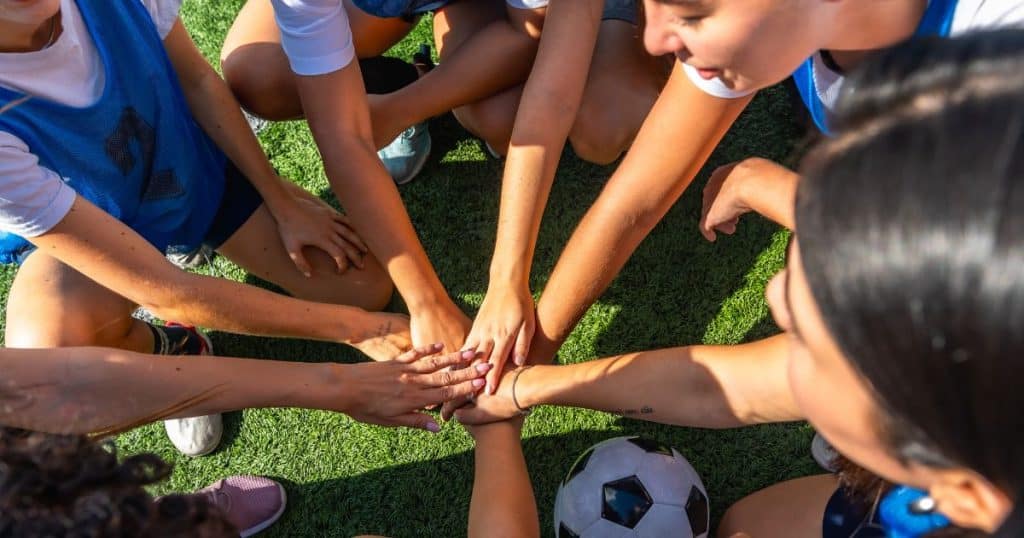
In her pioneering work, psychologist Carol Dweck encourages a growth mindset; the belief that ability in any arena is a muscle you can exercise, failure is an informative wake-up call, and imperfections are opportunities to grow. The goal is to learn, stretch and master the process. Kids with growth mindsets thrive during challenging times. She shared, “even in the growth mindset, failure can be a painful experience. But it doesn’t define you.”
Sideline Survival Tips:

Reinforce the right messages about success by focusing on process praise. According to Dweck, parents should avoid praising intelligence or talent. Instead, praise them on what they have accomplished through their own efforts, good strategies, and persistence.

Guide your child into growing their mindset by asking these questions after setbacks: What went well? What can I learn from this? How can I improve?
Remember the disastrous car ride home I mentioned earlier? It turns out that it is a pretty common problem in youth sports. I am learning to hold back – to give him space to process his feelings, and to wait for him to start the conversation when he is ready.
These small shifts have changed how I show up for him.
It’s not just about his performance
These lessons taught me that his sporting journey isn’t just about results. It’s about what drives him, what keeps him going, and how he handles wins and most importantly, losses.
In the upcoming Part 2 of this article, we turn to our role as parents, and how we can shape that journey from the sidelines.
Najmin helmed the role of makchic’s General Manager from 2021 to 2024, before assuming an advisory role in 2025. With 3 older kids in school (and higher education!), she spends most of her me-time reading, writing and hiking with her closest friends.