
One moment you’re fine. The next, you’re sweating through an air‑conditioned meeting, snapping at your partner for breathing too loudly, or standing in a room wondering why you walked in there in the first place. Maybe by 5.00pm, you find yourself in a zombie-like state, running on fumes and just trying to survive until bedtime.
Between comparing symptoms with friends, asking Dr Google “Why am I awake at 3.00am?”, and blaming it on stress or hormones, it can be hard to know what’s normal, and what’s not. Perhaps lately, you might have even heard the word “perimenopause” being discussed, and wondered to yourself: am I going through a similar season?
To unpack what perimenopause really is, and how we can better manage it, makchic sat down recently with Dr Premitha Damodaran, Consultant Gynaecologist and Obstetrician at Pantai Hospital Kuala Lumpur to discuss this topic. Read on for her answers to our burning questions on perimenopause – including common concerns to look out for, treatments to consider, and what families can do to support their loved ones.

Understanding Perimenopause
1. Many people know about menopause, but perimenopause is often less well understood. What exactly is perimenopause, and when does it occur?
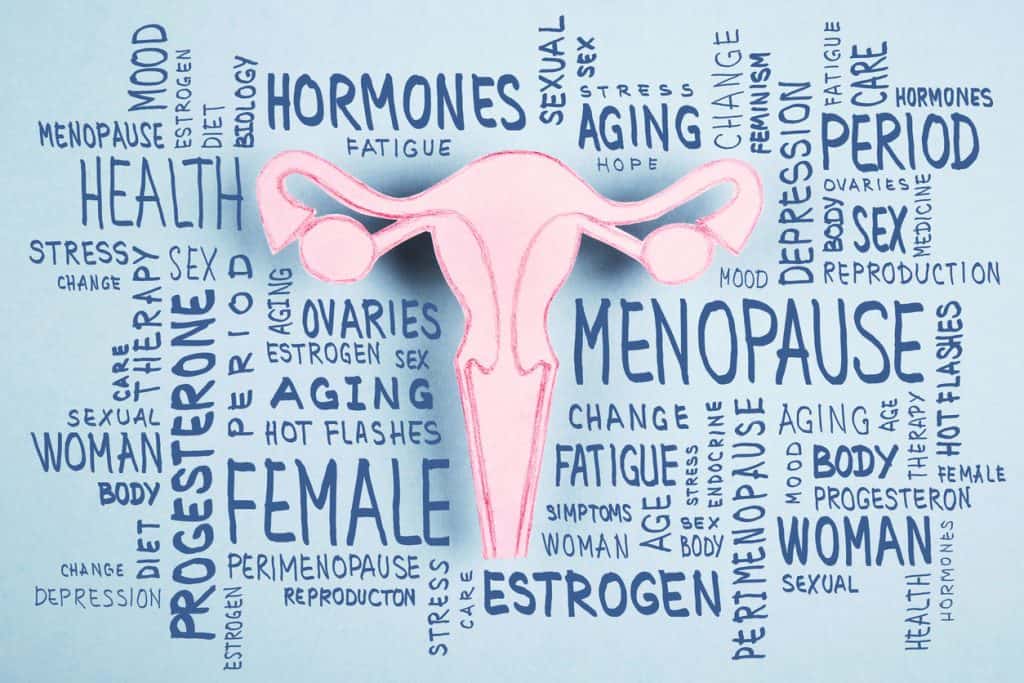
Unlike menopause, which is where a woman has not had any periods for one year, perimenopause is the transition phase before menopause -a gradual shift that happens when the ovaries do not work as they did before. The amount of oestrogen and progesterone released by the ovaries change on a day-to-day basis, and these swinging hormone levels bring about many symptoms, including a change in the period cycles.
Perimenopause can last between 4 to 8 years (sometimes, longer) and can begin as early as the late 30s or early 40s. These changes can stress a woman; however, stress by itself does not cause perimenopause.
2. What are some of the most common, yet often overlooked, early symptoms of perimenopause?
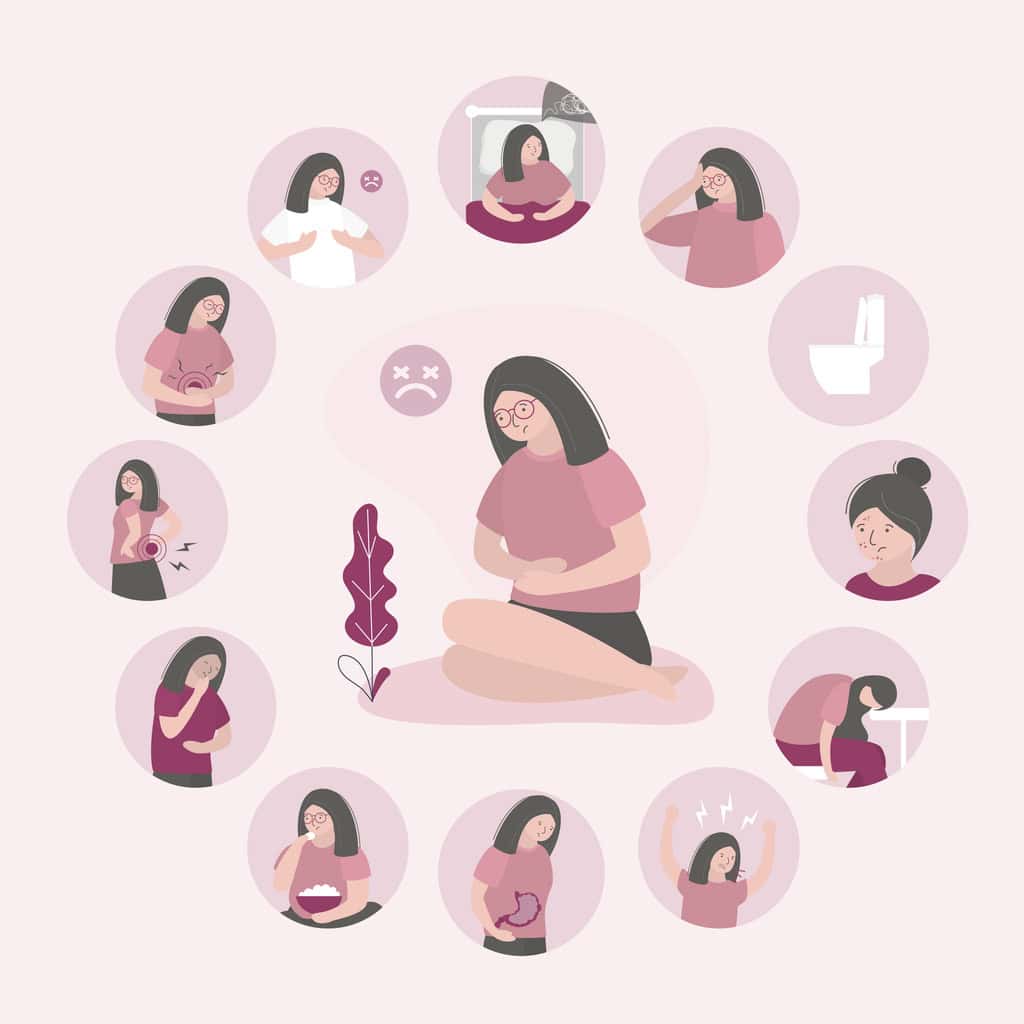
Everyone thinks that perimenopause is all about hot flushes and night sweats, but it is not; it’s about a woman just not feeling like herself. Some of the more common symptoms of perimenopause may include:
- irregular periods;
- sleep disturbances;
- tiredness;
- joint pains;
- headaches;
- mood changes;
- panic attacks;
- anxiety;
- skin changes and dryness;
- vaginal dryness;
- painful sex;
- lowered libido; and
- hair loss.
The list is non-exhaustive, however, and every woman presents differently (there are even 1/3 of women who do not have any symptoms). It is important to be aware about the possible changes, but not to worry about it. Instead, seek help and speak to your doctor if you suspect that you may be going through perimenopause, or if it affects your quality of life.
3. What factors might cause a woman to enter perimenopause early? If my mother reached menopause early, will it be the same for me?

Oestrogen is produced by the ovaries, and having a good ovarian reserve means having a good amount of oestrogen. However, ovarian reserve may vary from woman to woman. There are several known factors that can cause a woman to go into perimenopause early, such as:
- certain chromosomal conditions (which can cause the ovaries to not work as well as they should);
- thyroid disorders;
- a family history of menopause before the age of 45 years;
- autoimmune conditions;
- surgery to remove both ovaries, chemotherapy, or radiotherapy to the uterus and ovaries;
- endometriosis;
- smoking;
- chronic stress;
- poor sleep; and
- sometimes just plain bad luck.
4. Many women experience symptoms while still having their regular periods. How can I tell the difference between perimenopause and “normal ageing”, or an underlying medical condition- such as thyroid issues or iron deficiency?

It is essential to provide a thorough medical history to your doctor, who can then determine the appropriate blood tests. All women with menstrual disturbances should have a thyroid profile, so that any thyroid disorders can be identified.
Women should also have iron studies done, as almost one in two women in the perimenopausal age group are iron‑deficient. This allows doctors to detect thyroid and iron‑related issues, both of which can coincide with perimenopause symptoms. Deficiencies in vitamin B12 and vitamin D3 may also cause similar perimenopause symptoms, alongside factors such as life stressors, irritable bowel issues, and other chronic health diseases.
Hence, it is important for women to see a doctor, undergo the necessary blood work, and be treated holistically, rather than basing treatment solely on presumed perimenopause symptoms.
5. Can perimenopause affect my long-term health?

Bone loss, changes in lipid profile, metabolic issues all start happening well before a woman’s last period, with peak changes happening during the late perimenopause stage. By the time a woman is 60, she may have lost 20-30% of her bone mass.
Increase in visceral fat (a type of body fat that is stored deep inside the abdomen, wrapped around vital organs such as the liver, pancreas, and intestines) can start as early as 6 years before the final period. This increase in visceral fat can lead to cardiometabolic issues, such as high blood pressure, insulin resistance, diabetes, and deranged lipid profile.
Depression also peaks during late menopause. These problems do not stop once a woman’s periods end; often, they can continue into menopause, and beyond. It is important for a woman to understand that these changes may start during the perimenopause phase, but can go on affecting her for the rest of her life.
Treatment, Support and Management
6. Are there warning signs that mean I should book a medical appointment now, rather than wait for my routine check‑up?

Take note of red flags, such as abnormal uterine bleeding, and worrying signs ranging from:
- very heavy periods (soaking your pads or tampons every 1 to 2 hours);
- bleeding that lasts more than 7 to 10 days;
- bleeding between periods;
- bleeding after sex; and
- any bleeding after menopause.
Be aware as well of changes affecting your breast(s), including:
- lumps;
- skin dimpling, or puckering;
- nipple discharge, especially bloody discharge; and
- persistent breast pain in one area.
Please consult your doctor if you are also experiencing other concerning symptoms, such as unintentional weight loss, severe, ongoing tiredness, severe pelvic pain, severe headaches, chest pain, depression, anxiety and panic attacks, or thoughts of self-harm.
7. What steps can I take to manage perimenopause better?

Firstly, have a sense of awareness that perimenopause is happening. Secondly, make some lifestyle changes – a healthy diet, movement and exercises that suit you, good sleep hygiene, positive interactions with friends, staying away from harmful substances, and effective stress management can help reduce symptoms, improve your quality of life, and lower future health risks.
Thirdly, adopt appropriate evidence‑based supplements advised by your doctor and non‑hormonal management, which includes vaginal lubricants and moisturisers for vaginal dryness, antidepressants, if necessary, and specific targeted treatments for hot flushes, which will be available in Malaysia soon.
Finally, you may also wish to consider menopausal hormone therapy (otherwise known as hormone replacement therapy), where appropriate.
8. There is still a lot of hesitation around menopausal hormone therapy (MHT). What are the primary benefits and potential risks?
MHT remains the most effective treatment for menopausal symptoms, particularly vasomotor symptoms, such as hot flushes and night sweats, reducing them by about 70–80%. It improves sleep, mood, and quality of life and is also highly effectively treating genitourinary symptoms, such as vaginal dryness and dyspareunia (lasting or recurrent genital pain that occurs just before, during or after sex).
Beyond symptom control, MHT has important preventive benefits, including preservation of bone density and a reduction in fractures. Emerging evidence also suggests favourable effects on cardiovascular health, metabolic outcomes, and possibly cognitive decline when initiated early, within 10 years of menopause or before the age of 60.
When used correctly, potential risks are small and this is what we call individualised treatment – treatment that is tailored according to the type of therapy, timing, and individual risk factors. Importantly, in healthy women under 60 or within 10 years of menopause, the overall benefit–risk profile is favourable, with serious adverse events being uncommon.
Breast cancer risk increases with the use of synthetic progestogens, which we do not use anymore. MHT also cuts down the risk of uterus cancer and colon cancer. So, it is all about the right hormone for the right woman.
Managing Mental Health and Relationships
9. What lifestyle changes can actually make a difference during perimenopause? How can my partner and family lend support?

As mentioned earlier, lifestyle habits are paramount. Try prioritising good sleep, engaging in regular physical activity – a mix of strength training, flexibility work and some cardio – and adopting a balanced, nutrient-rich diet with adequate protein, calcium, and vitamin D to support bone and metabolic health.
Staying away from risky substances, such as alcohol and smoking or vaping, and reducing caffeine and alcohol, can help with sleep and hot flushes. Stress management strategies, such as mindfulness, yoga, or simply carving out time to pause, can also help stabilise your mood and improve overall wellbeing.
The role of partners and family members is equally important. Understand that perimenopause is not your loved one’s fault, but rather, is due to her fluctuating hormones. Being patient and offering support during mood swings, sharing responsibilities on more difficult days, and creating a safe space for open and judgment-free conversation can make a profound difference.
Sometimes, the most powerful support is simply being present, informed, and willing to listen.
10. Perimenopause often impacts intimacy and libido. How do I navigate these changes with my partner?

An honest conversation is the best. Vaginal dryness, fatigue, and mood changes can cause problems in the bedroom. These changes in intimacy are biological – and again, not the woman’s fault – and they must be understood.
There may need to be more conversations between the couple on how to address these matters together, rather than silently. This may include the use of vaginal moisturisers, lubricants, along with vaginal estrogens to help treat vaginal dryness.
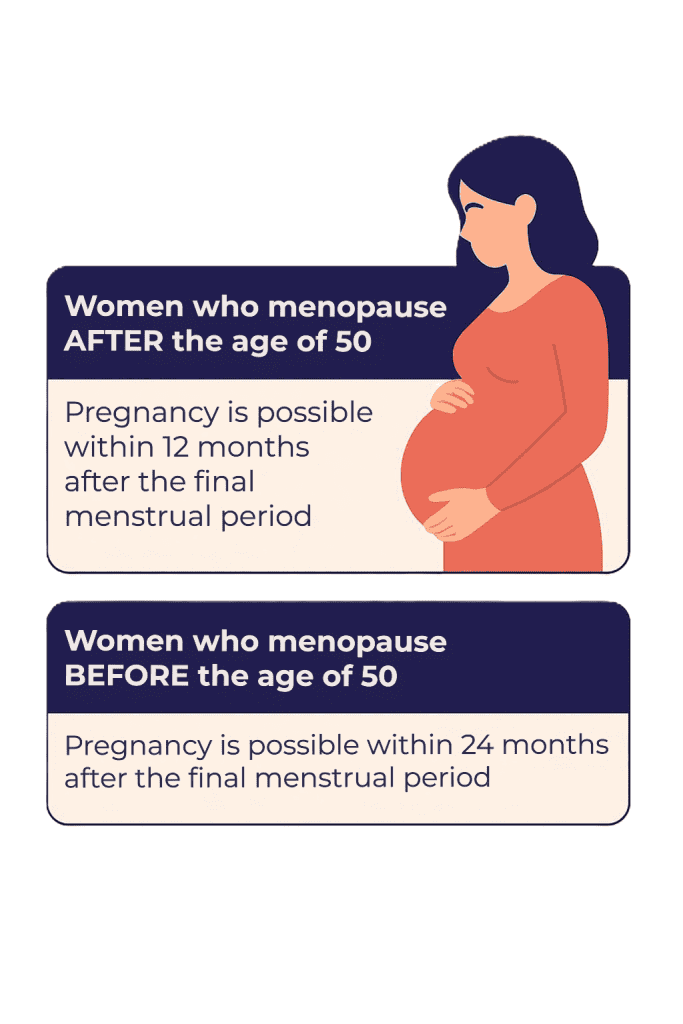
On a related note, do note as well that pregnancy remains possible, although the chances are extremely low -namely, until 12 months after your final menstrual period (if menopause occurs after the age of 50) and 24 months after your final menstrual period (if menopause occurs before the age of 50). Appropriate contraception should be continued during perimenopause, even when cycles seem unpredictable.
Parting Advice
11. What is one thing every woman in her late 30s or early 40s should know about perimenopause, to make the journey feel less daunting?

Know that perimenopause is not to be feared. Unfortunately, many women think it is a transition zone to menopause and ageing. Let’s change that narrative, and reframe it positively to a time of awareness, endless possibilities and choices.
A woman can still be in control of how she feels, what she does, and how gracefully she is going to go through perimenopause and menopause. When you understand what is happening to you hormonally, then it becomes far less frightening, and far more manageable.
This is the time to tune in to your body, not fight it – to prioritise your health, seek accurate information, and ask for help when you need it. With the right support, whether lifestyle, medical, or emotional, women don’t just “get through” perimenopause; they can come out of it stronger, clearer, and more grounded than before.
By Su Ning Chee
This is a sponsored post by Pantai Hospital Kuala Lumpur (PHKL).
With over two decades of experience, Dr Premitha Damodaran is a distinguished Consultant and Gynaecologist and Obstetrician, currently focused on gynaecology and women’s health, with a special interest in hormonal and menopause-related care.
Renowned for her pioneering work in women’s health, Dr Premitha has remained dedicated throughout her career to advancing awareness and understanding of women’s health issues, from the effects of menopause on the careers and lifestyles of Malaysian women, to the medical management of hormonal imbalances.
To find out more about PHKL’s obstetrics and gynaecology offerings, book an appointment at +603 2296 0888, or follow PHKL on Instagram, Facebook and Tik Tok for updates.