By Deborah Loh
Placing a parent in a nursing home can be one of the hardest decisions adult children may have to make. Don’t feel judged; every family has different circumstances. And in some situations, it really may be the best and safest option for the senior when ageing in place is no longer feasible.

If you have exhausted home care options by family members or personal caregivers, and the time has come to choose a care home, here are some things to be aware of. These are based on my observations from working at two nursing homes as a locum (relief) caregiver. By knowing what to look out for, you can ensure your parent the best possible experience, while you yourself can be better prepared to navigate their golden years.
Cost
This can be subjective depending on your parent’s condition, and you should also understand the different types of facilities available. Nursing homes are focused on 24-hour and clinical care, catering to residents undergoing post-stroke recovery, dementia patients, those with chronic illness and limited or no mobility. However, there are able seniors who should ideally be in assisted living, staying in nursing homes likely because of the cost factor.
Assisted living facilities offer a more “luxury” feel with accommodation in serviced apartments or private suites. They cater to independent seniors with an emphasis on lifestyle and social activities. Medical support is provided, but the facility is not focused on clinical care. Understand what your parent needs, and anticipate that the scenario could change in time.
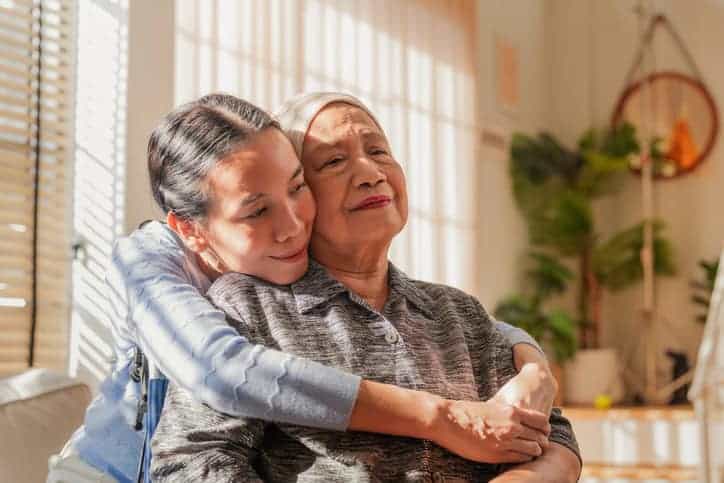
Speak to prospective homes directly to find out what they offer. A nursing home would typically provide 24-hour care, meals, laundry, and room cleaning. The more care one needs, the higher the cost; likewise, with additional activities to maintain cognitive function and physical well-being. Will your parent benefit from more regular physiotherapy? Do they want extra daily activities with a therapist? While these services may be included in the monthly fee, the number of sessions in a week may be limited and extra time would come with add-on fees.
Visit the facility in person to see the environment first-hand. Ask the home manager permission to spend some time there (without getting in anyone’s way, of course) for say, half a morning after breakfast. That’s when you can see how the seniors spend their time and the caregivers at work – just to observe the rhythms and interactions.
Care and Safety
When you visit the home, pay attention to things like handrails or grab bars at entry and exit points to rooms, in toilets and along corridors. Ask:
- How safe is it for a mobile senior to move around by themselves?
- Can they take a walk in the garden on their own?
- For the wheelchair or bed-bound, are beds of hospital standard with guardrails?
- Do caregivers make a practice of locking the wheelchair brakes when stationary?
Find out about caregiver-to-resident ratio, and how the team juggles attending to seniors who require closer supervision. Ask, too, about care protocols for dementia patients; if they are prone to wandering at night when fewer staff are on shift, how does the caregiving team handle this? Would a resident with a tendency to night wanderings be placed in a ground floor room?

The home should also enable residents to call for assistance at all times, especially when they are alone in their rooms or the toilet. At the homes I worked at, each resident had a call bell they could press. A number assigned to them would flash on a digital display board, along with a loud “ding-dong” to alert caregivers.
Find out:
- How are medical emergencies handled?
- Are residents brought to the hospital nearest to the home, or can you have your parent taken to their regular hospital where all their medical records are?
- For non-emergencies like a new ache, pain, or wound, or even an ingrown toenail that a senior reports to caregivers, what is the course of action normally taken?
Knowing the home’s protocols in such situations can help prevent unintended neglect.
Communication
A good home manager will communicate regularly with a senior’s family members on important developments. Ask how often the home updates the client’s family members, and for a name and number you can contact regarding your parent, including for after-office hours.

Communication is also a two-way street, so do inform the home and caregivers about particular preferences your parent has, such as bath or bedtime rituals (e.g. brushing teeth after every meal? Lotion after showering? Hairdryer or air-dry? A certain favourite pair of pyjamas at night?). Rituals can bring comfort and provide structure, and a compassionate caregiver is one who is taught to ask seniors their preferences and helps them with it.
Location
The nearer and easier it is to get to the nursing home, the more likely you will visit. This is important for a later point on mitigating loneliness.
Meals and Diet
To save on operational cost, nursing homes may serve all residents the same dishes at mealtimes. If a home doesn’t have a cook on site, it may get food from a caterer, which makes it hard to ensure consistency and sensitivity to elderly preferences. The result is often unfinished food and complaints about saltiness, oiliness and tough meat. Ageing can change the taste buds, causing food to taste bland. Dental issues may hamper chewing, while a weakened sense of smell can curb enjoyment.
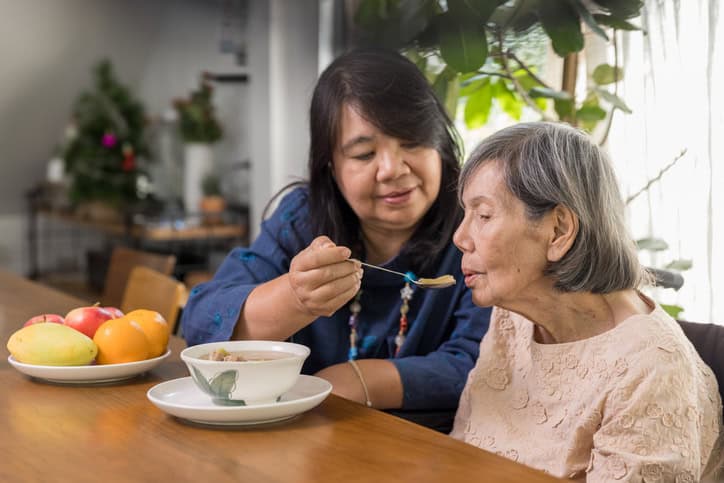
Check if the prospective home is able to prepare individual meal orders. If it can’t, and if you anticipate this to be a problem for your parent, consider arrangements for food delivery, whether by a paid service, or the kindness of others to supplement what the home provides. One senior I cared for had a daughter who came twice a week with her mother’s favourite food on rotation. Another resident used Grab and Foodpanda to get the food he craved.
Making sure your parent enjoys their food is not only a matter of getting adequate nutrition; eating healthy food that they like is also a source of joy, pleasure and comfort.
Maintaining Independence
While having meals provided and laundry done for you can sound relaxing, taking these tasks away from able seniors used to doing these things for themselves can feel like a loss of independence.
If mum or dad is still able, ask the prospective home if your parent can be allowed a regular activity they enjoy. One able senior I heard of became her care home’s assistant gardener, performing simpler tasks alongside the hired maintenance worker. At a second home where I worked, the caregivers wisely let the residents sort and fold their own laundry each afternoon as they sat watching TV together. Simple chores allowed them the autonomy and dignity of being able to do something for themselves.
Mitigating Loneliness
Good nursing homes provide activities and opportunities for seniors to mingle and stay engaged, but not all seniors may want to participate. I observed that the ones at group activity sessions were nearly always those in wheelchairs, or who had dementia. They were at the group activity sessions because they were wheeled there, regardless of what they felt. Mobile, cognitively sound seniors appeared to prefer keeping to themselves doing their own thing.
The reality is, while living in a nursing home is supposed to provide seniors with a community, they may not find it easy to engage. Age-related depression, anxiety over relocating and grief at losing their independence and familiar social connections, are among the documented struggles an elderly person may face over moving to a care home. At times, caregivers can provide assurance and company, but it is unrealistic to expect them to handle these issues expertly; they are not trained for it, not to mention, the physical workload they already handle looking after several residents.

The “happiest” seniors at the homes I worked at were those who had visitors to look forward to, and friends who came by to take them out for lunch. Some had children who came every week, others once a year because the children lived overseas. Some had no visitors at all. These were the seniors who had the fewest snacks and gifts in their rooms, and who spent the most time sleeping or idling in front of the television.
One way to mitigate loneliness is to plan regular visits, or delegate relatives or close friends to make these visits, if you live abroad. You can also explore companionship programmes offered by elder care concierge services, or volunteer services by charitable organisations (see examples below).
Just having someone cheerful and positive to talk to or play a simple game with for an hour or less can lift up a senior’s spirits and provide a change from the routines of the nursing home. Even seniors with low cognitive function can benefit from such interactions. Having Alzheimer’s does not mean the person is incapable of feeling or responding to positive stimuli.

Key Takeaways
It may sound like a lot to organise and manage after placing your parent in a nursing home. We may feel we’ve got our parent’s care “sorted” once they enter a home. While homes can provide better care than we can ourselves, there may still be hidden emotional challenges our elderly loved ones face.
Roping in the help of others, whether it’s extended family, relatives, kind friends, or volunteers from faith or charity organisations, makes the burden lighter. This is the meaning of community-based care. Build a community you can count on to provide the emotional nourishment your senior needs when you are unable to, and which nursing homes may not adequately provide. It’s peace of mind for you, and can help should guilty feelings ever arise, knowing that you have done the best you can.
Senior day care services:
Oretha’s Senior Care – Daycare, Concierge & Travel
www.orethas.com
Care Concierge Clubhouse
mycareconcierge.com/day-care/
Meaningful CareHub
www.meaningfull.my
Kampungku
www.kampungku.com.my
Deborah Loh is a freelance journalist and news editor, currently exploring the elder care scene. Her personal caregiving journey for both her late parents shaped her idea of what meaningful work is, and led her to complete a basic certificate in caregiving and locum work in nursing homes.