No parent enjoys thinking about worst-case scenarios.
But sometimes, the thought arrives quietly – perhaps after the children have gone to bed and the house is finally calm. You glance at their school bags by the door, the drawings on the fridge, the plans you have for their future. Then a small question crosses your mind.
What will happen to my children if something unexpected happens to me?
Many parents think about this, but rarely act on it. Estate and legacy planning often feels like something to address later on in life. But for parents with young children, putting plans in place today can make a real difference, should the unexpected occur.
Dato’ Nor Fazlina Mohd Ghouse, CEO of Maybank Trustees Berhad (and a mother herself), shares why legacy planning is often misunderstood.
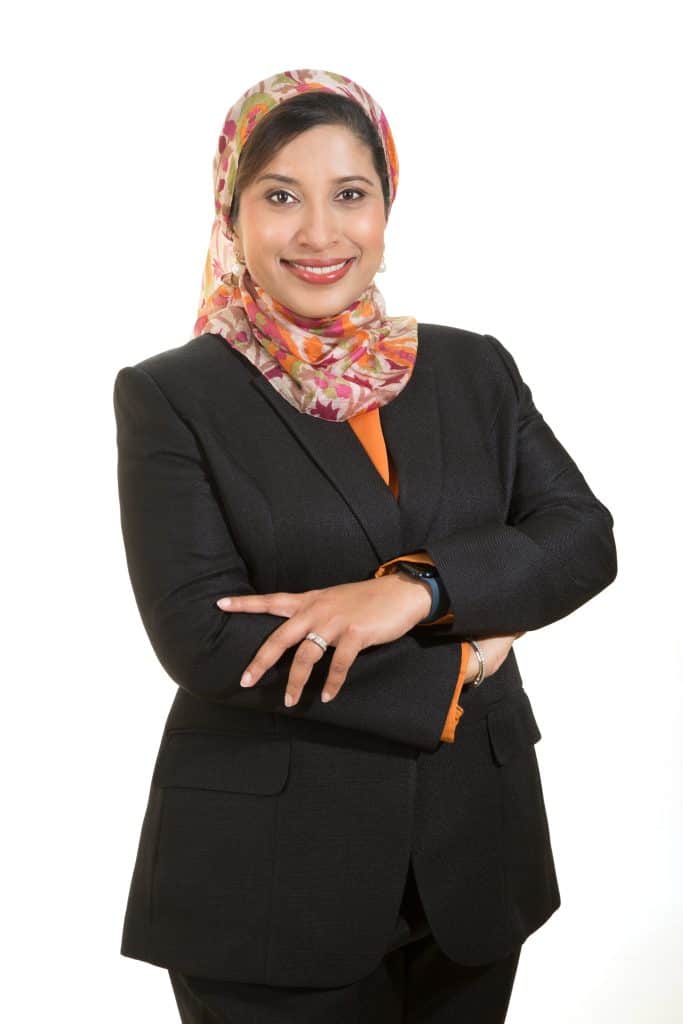
Many parents think legacy planning is about money. In reality, it is about protecting the people you love. You want to pass them your values and not just your valuables – and part of that means putting the right structures in place early.
Parenthood already involves constant planning. We save for our children’s education, keep up with their medical needs and appointments, and think about the future we want them to have. Putting wills and wasiat in place is simply another step in that journey. It ensures your wishes are clearly documented, so your family knows what to do if circumstances change. For many parents, that clarity becomes one of the most thoughtful and meaningful gifts you can leave behind.
Here are some key questions parents should be asking on the estate planning journey:
1. What happens if both parents pass away?

For many parents, this is the first concern.
Without a will or wasiat, decisions about guardianship and asset management may take time to resolve and family members may have different views on what should happen.
By preparing a will or wasiat, parents can:
- appoint a legal guardian for their minor children – someone you trust to raise and guide them according to your values;
- decide who manages their children’s inheritance; and
- provide instructions on how funds should be used for your children’s education, living expenses and wellbeing.
Having these instructions documented helps reduce uncertainty and gives families clearer guidance during an already difficult time.
2. What happens if my child is still a minor?

Children under 18 cannot legally manage inherited assets on their own. Without proper planning, their inheritance may be subject to delays and lengthy processes before funds can be accessed. In some cases, the assets may only be released when the child reaches adulthood.
To address this, parents often put in place trust arrangements, where a trustee manages assets on behalf of the child for needs such as:
- education;
- healthcare; and
- housing and daily living expenses.
Professional trust corporations such as Maybank Trustees Berhad can assist families in structuring wills, wasiat and trust arrangements to ensure that assets are safeguarded and managed responsibly for the benefit of the next generation.
3. What if my child has additional needs?

For some families, estate and legacy planning needs to go a step further. Children with additional needs may require ongoing care, therapy, or specialised support well into adulthood. Naturally, parents may have concerns about who will manage their finances and ensure their child’s wellbeing in the future.
Through careful estate planning, wills and wasiat can be structured alongside trust arrangements to allocate funds specifically for a child’s long-term care and support. Parents can also appoint a trusted individual or a professional trustee to oversee and manage these funds, according to their wishes.
Planning ahead provides reassurance that a child’s needs will continue to be met even when their parents are no longer around.
4. Wait. Isn’t trust planning only for the wealthy?

This is a common misconception. In reality, there are different types of trust structures designed to suit a range of needs and financial situations.
One example is an insurance trust, where a life insurance policy is placed into a trust, so that the payout can be managed and distributed according to the instructions set by the policyholder. Because the primary asset involved is the insurance policy itself, this can be an accessible and practical starting point for many families.
5. What happens if something unexpected disrupts our daily lives?

In recent years, many families have become more aware of how quickly circumstances can change. Global tensions, pandemics and unexpected emergencies have reminded parents that life does not always follow a predictable path.
These moments often prompt an important question: Have we made clear arrangements for how our children and assets should be looked after?
Having wills and wasiat in place provides your family with a clear roadmap. Your wishes are clearly documented, and the people responsible for managing your affairs are guided on what needs to be done.
6. Where do I begin?

If you have been putting off writing a will or wasiat, you are not alone. Here are some actionable ways to begin your estate and legacy planning journey:
- Clarify your goals: Ask yourself – what is your core intention? Is it wealth preservation, the support of charitable causes, or other objectives?
- Take inventory: Review all your assets – from financial accounts, investments, and insurance policies, to real estate and retirement savings – and create a list with their approximate values.
- Identify your beneficiaries: Decide who will receive your assets upon your passing, and if you have dependents, make sure to appoint trusted guardians. For Muslim families, Maybank’s Faraid calculator serves as a reference to help you understand how your assets may be distributed under Faraid law, and where additional planning may be needed.
Taking the first step can feel daunting, but speaking with an estate planning professional can help you better understand the options available and what may suit your family’s needs. Maybank Trustees Berhad provides estate and legacy planning services to help families structure clear and practical arrangements. Their team can guide you through:
- writing a will or wasiat;
- setting up trust arrangements for children;
- planning for dependants with special needs; and
- structuring insurance trust solutions.
With the right guidance, putting these plans in place can be easier than you think, and well worth it for your family’s future.
This article was contributed by Maybank Trustees Berhad.
To learn more about Maybank Trustees Berhad’s range of estate and legacy planning services, contact mtb.bd@maybank.com or +603-2177 5999, or visit maybank.my/willwriting for expert guidance and peace of mind.