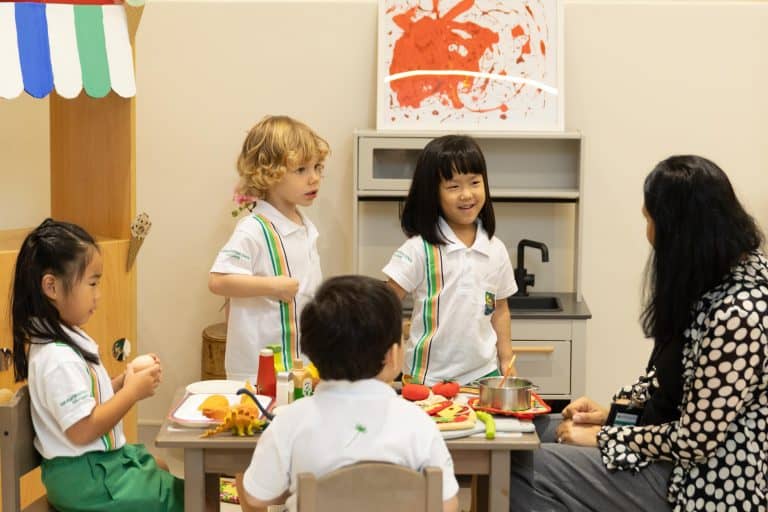
Every parent knows that all-too familiar exchange.
“How was school today?”
“Fine.”
“Good.”
Short answers, head nods, or shoulder shrugs are often delivered on autopilot. But behind them sits a much deeper question: Is my child truly happy at school? To answer this question, we first need to rethink what “happiness” truly means.
(Re)defining ‘Happiness’
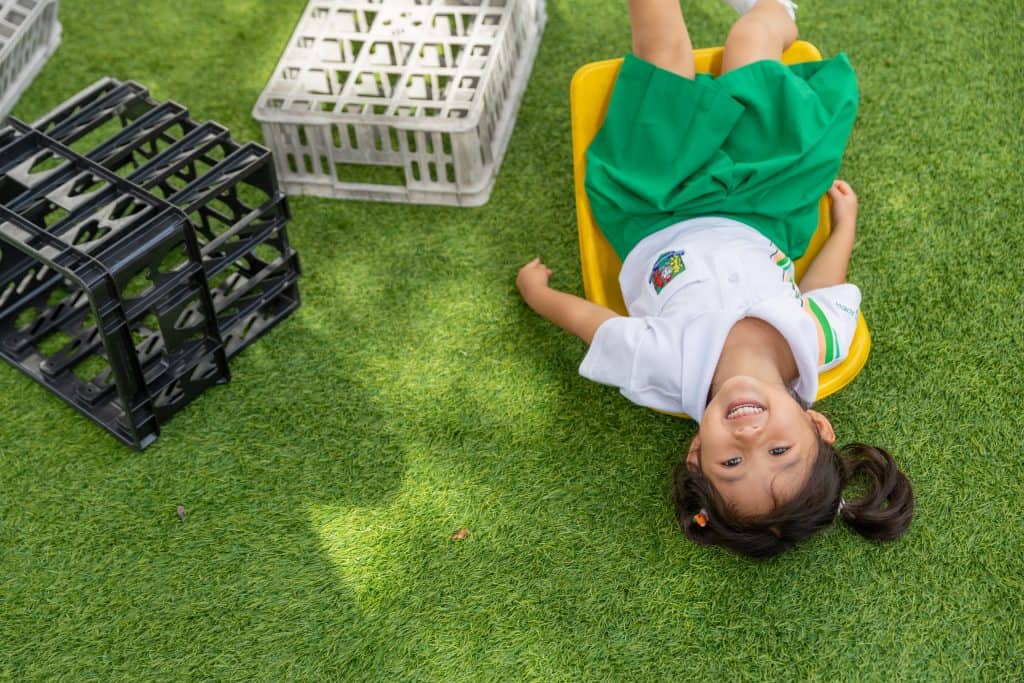
Happiness in school isn’t just about smiles at pick-up time or enjoying the occasional fun activity. It’s about emotional security, engagement, and a genuine sense of belonging. It’s about whether a child feels safe, seen, supported—and excited to learn.
As Ms Antonia Confalone, Assistant Head of Primary of the Early Years Centre (EYC) at Garden International School (GIS) shares:
“A happy child is one who feels safe enough to express a full range of emotions (not just positive ones), shows curiosity and willingness to explore, demonstrates agency; making choices, initiating play and taking ownership, and builds meaningful connections with peers and adults.”
Truthfully, children don’t always have the words to explain how they feel. Instead, their wellbeing shows up in subtle, everyday ways. A nurturing environment like Garden International School (GIS) supports positive and wholesome experiences in the early years foundation of schooling.
Here are 7 signs that your child is happy at school:
1. They Feel Safe With People
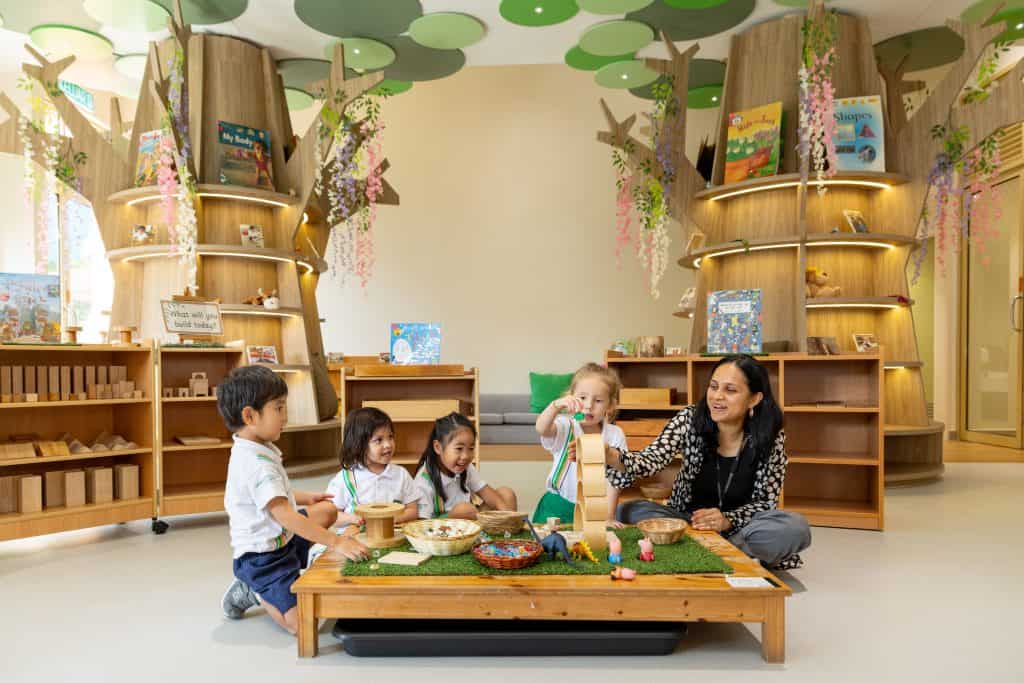
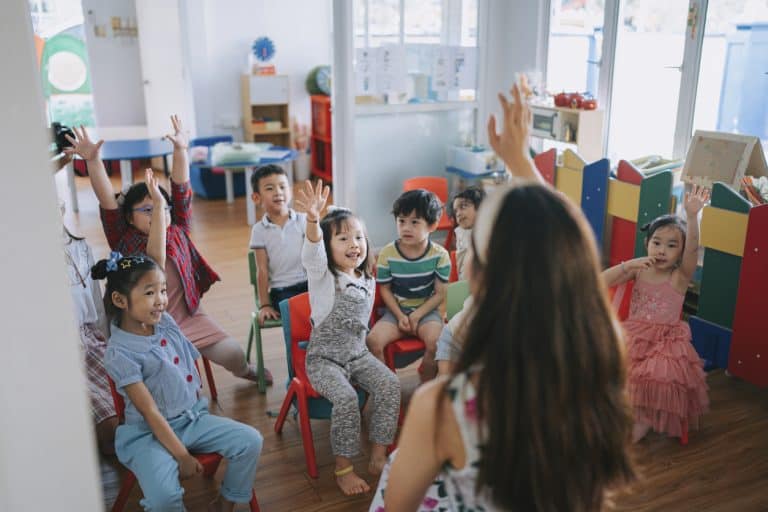
One of the clearest indications is how your child starts their day, and their ability to settle into their daily routines. Do drop-offs feel manageable – or, if tears are involved – is your child able to recover quickly and settle within a predictable, short timeframe? Do they speak positively about their teachers?
These small moments reflect something big: trust. This has to be earned and our children do not give this easily. Teachers usually look for signs of trust transfer—whether the child is able to reach for, or accept comfort from a familiar adult. From there, re-engagement begins, as the child gradually moves towards play.
Over time, routine recognition becomes evident, as your child begins to understand what comes next in their day. You may also notice subtle shifts in body language—a more relaxed posture, softer facial expressions—indicating that the child is settling into a space where they feel safe.
At GIS, strong relationships are at the heart of their EYC. Teachers prioritise connection, consistency, and emotional safety—helping children feel secure from the moment they arrive.
2. They Talk About Their Friends
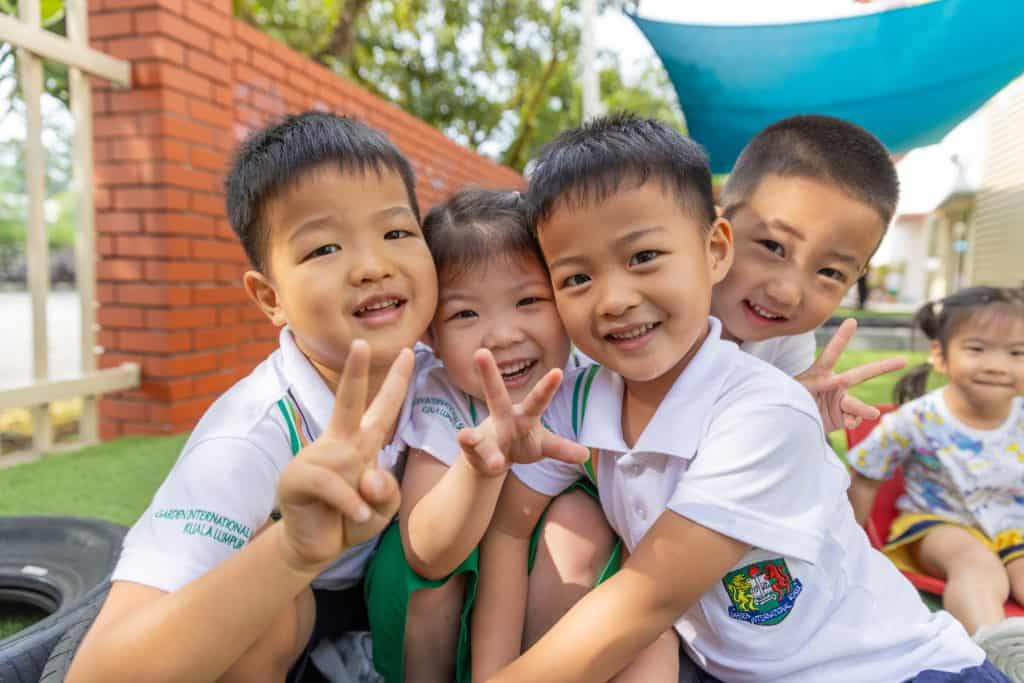
Friendships are also one of the strongest indicators of school happiness. If your child talks about their classmates, shares stories about play, or mentions group activities, it signals that they feel socially connected. Belonging doesn’t happen by chance—it’s built through inclusive environments and shared experiences.
When a child expresses feelings such as sadness or anger, it is important to first acknowledge and validate their emotions. Letting them know you understand how they feel, especially after they’ve put effort into something, helps them feel heard and supported. Then, gently guide them to think about what they might do differently next time—whether it’s choosing a different space, asking for help, using clear communication, or making a plan before they begin.
“We always encourage parents to be positive with children about the day, listen to any worries and difficult moments with empathy followed by empowerment,” shares Ms Antonia.
“For example, if a child says ‘My tower got knocked down today’, rather than asking them ‘Who did it?’, you could say ‘How did that make you feel?’.”
This approach not only comforts the child but builds confidence to problem-solve, regulate emotions, and navigate social situations more independently over time. Students at GIS grow up in a diverse community where collaboration and empathy are part of daily life. Through play, projects, and interaction, they learn how to connect, communicate, and navigate relationships with confidence.
3. They Show Curiosity and Engagement in Learning
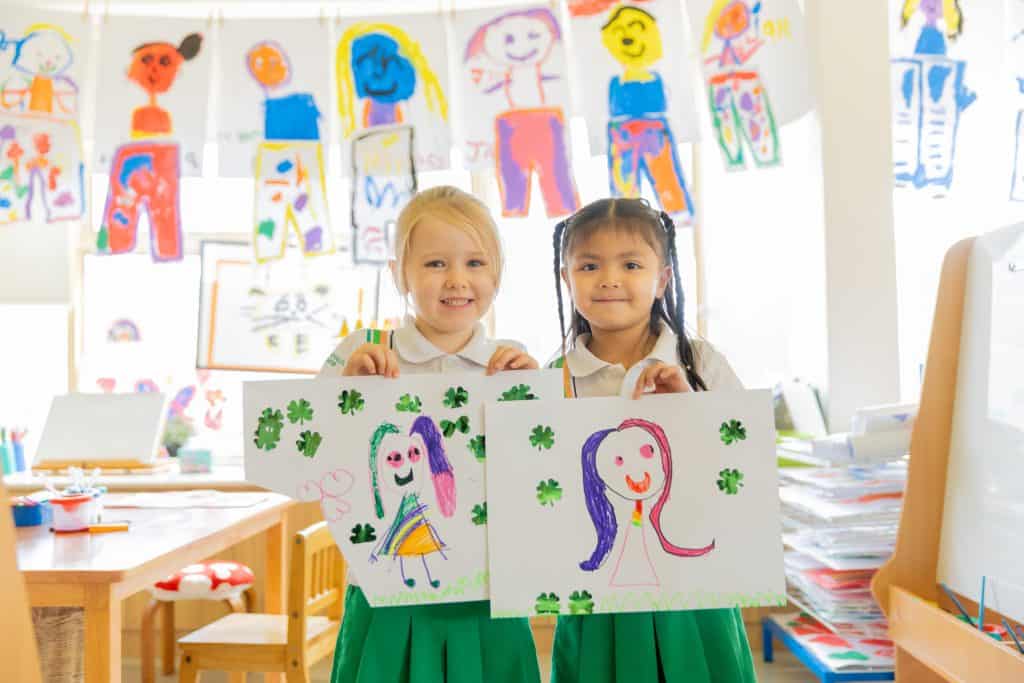
A happy child is often a curious one. If your child asks questions, explores ideas, or shows interest beyond the classroom, it’s a strong sign they are engaged.
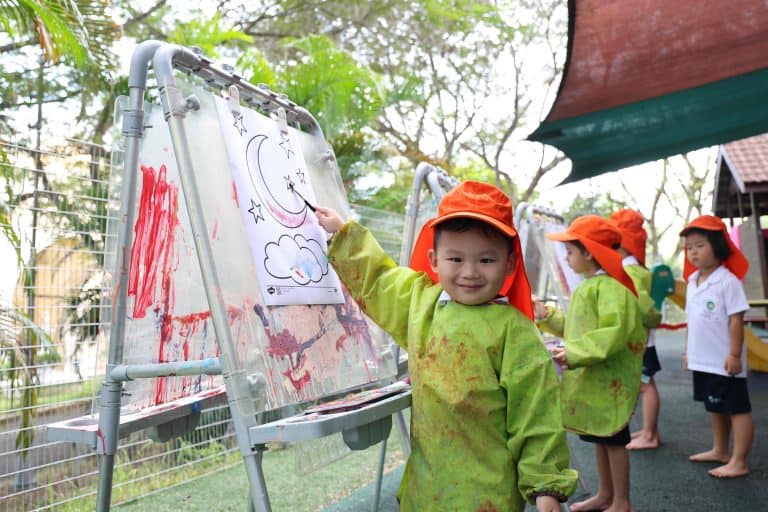
At GIS, learning is intentionally designed to spark this curiosity. The EYC embraces the idea of the environment as a “third teacher”—where thoughtfully designed spaces, materials, and experiences actively support learning. Through the school’s play-based learning approach and opportunities that extend education beyond the classroom (such as their exciting Jungle School programme), children can connect to real-world experiences that deepen understanding and make learning meaningful.
At the same time, personalised learning is imperative. Every child learns differently—and GIS recognises this by adapting teaching approaches to suit individual needs and skills, whether through play, inquiry, movement, or creative expression.
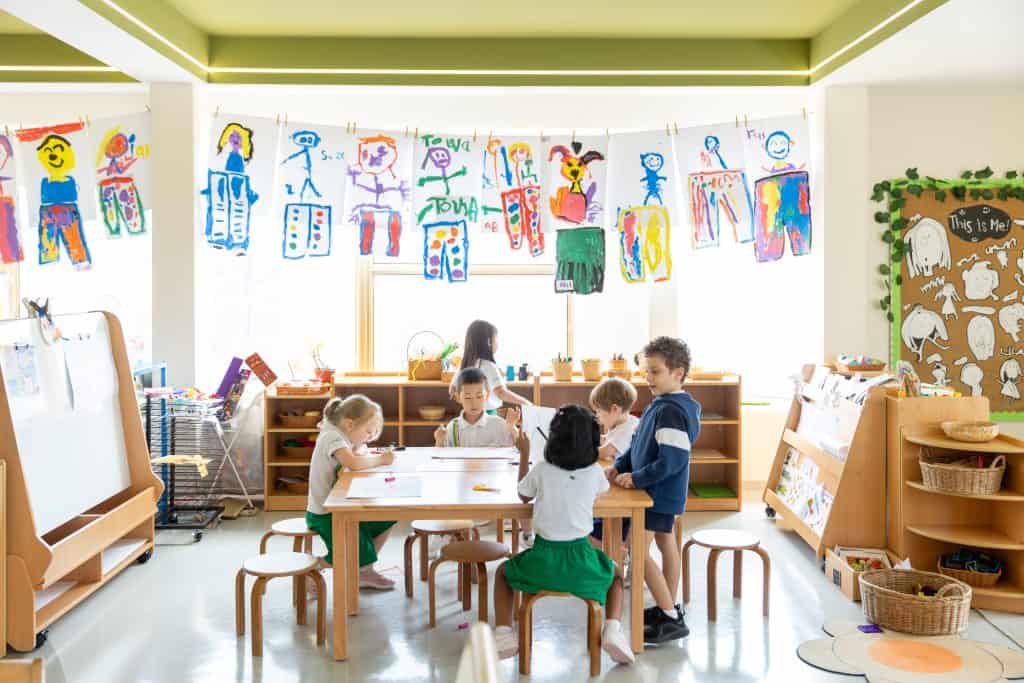
4. They Are Willing to Try (Even When It’s Challenging)
Confidence isn’t about getting everything right; it’s about being willing to try. A child who feels secure and supported is more likely to:
- Attempt new tasks
- Take risks in learning
- Keep going when something feels difficult
At GIS, this mindset is nurtured through personalised support and a focus on growth over perfection. While criticism is a necessary part of growth and learning, it must be delivered tactfully, with positive reinforcement.
Young learners are encouraged to see mistakes not as failures, but as part of the learning process—building resilience and confidence over time. This helps them see challenges as something positive, rather than something to dread. Fear of failure leads to less confidence over time.
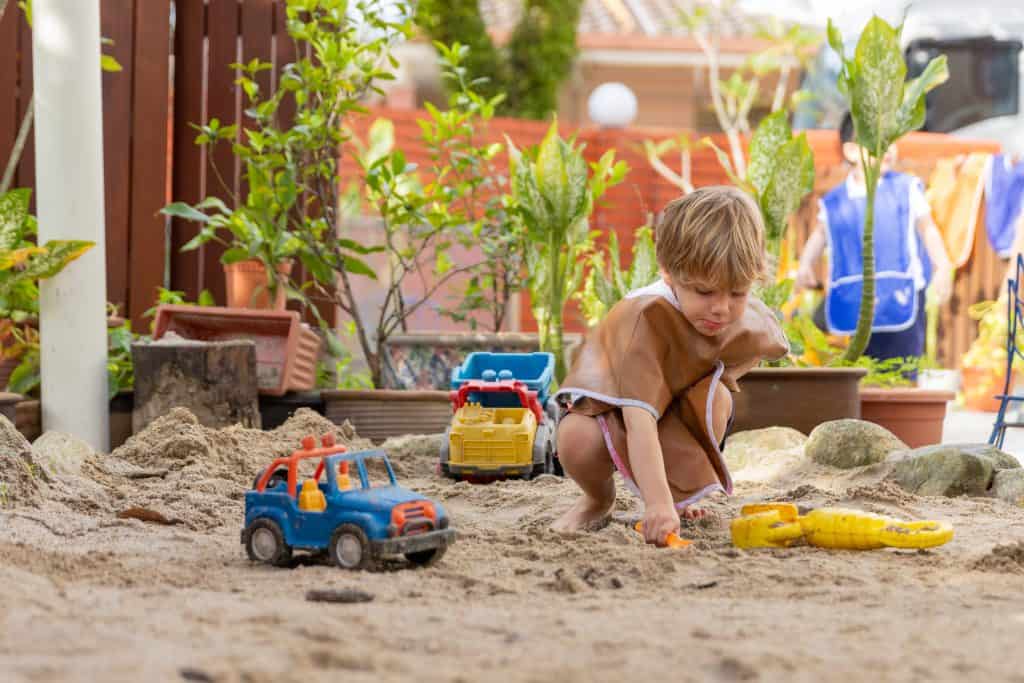
GIS’ thoughtful, child-centred approach, which meets each child where they are at, creates an environment where confidence can grow naturally—at each child’s own pace, in a way that feels safe and meaningful. Over time, children begin to trust in their own abilities, developing the resilience to face challenges with a positive mindset.
5. They Show Growth at Home
Growth is measured beyond academic success. For the early years, emotional and social growth are key. Often, the biggest signs of emotional and social growth can show up outside of school.
You might notice your child:
- Becoming more independent
- Expressing emotions more clearly
- Showing increased confidence in daily tasks
These changes reflect a child who feels supported and understood. If you notice this at home, make sure to acknowledge and celebrate your child’s small wins. A little praise can go a long way.
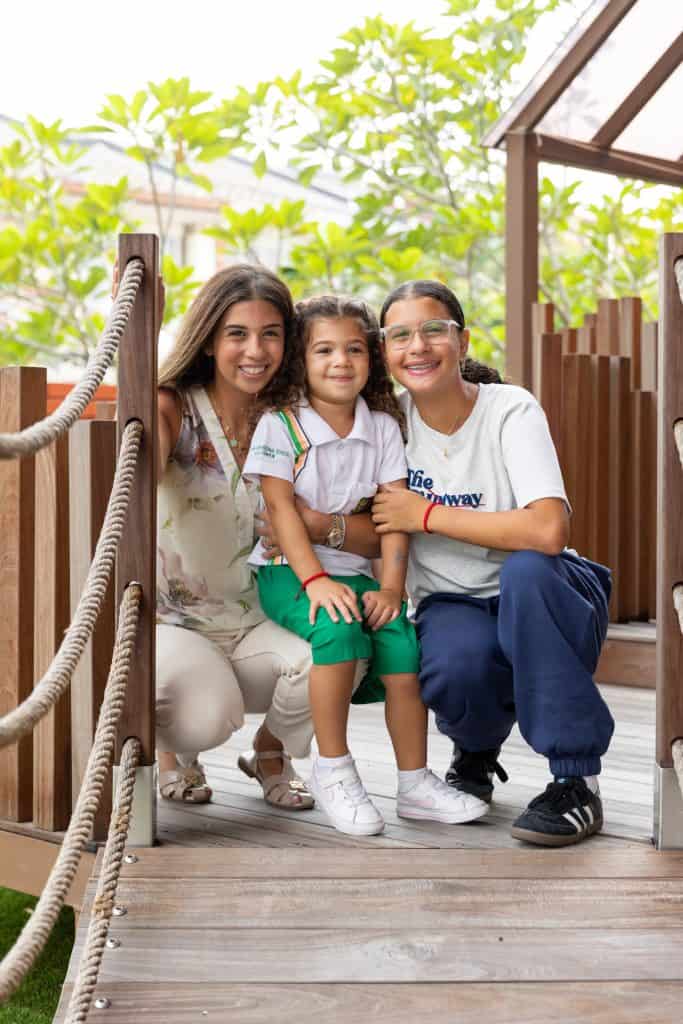
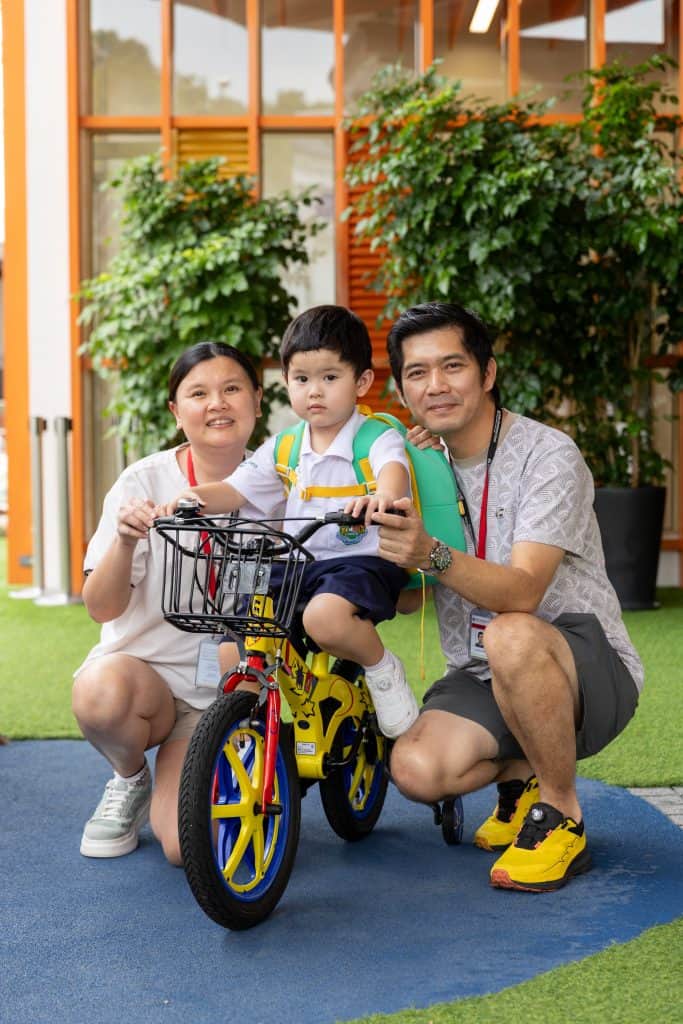
Also, make it a point to communicate this with your child’s teachers, as this will go a long way towards parent-teacher relationship building. According to Ms Antonia, the EYC places strong emphasis on the importance of home-school partnership, adding that:
“After two weeks with us, we invite parents in for Settling in meetings. Here, we share what we have observed so far, ask any follow up questions, get to know the family and home better. For example, understanding the key people in the child’s life (extended family such as aunties and grandparents) is really important to understanding how the child feels and their behaviour.”
Wellbeing is embedded into everyday learning at GIS. Children are guided to develop self-awareness, emotional regulation, and social skills—foundations that extend far beyond academic excellence. Having a keen understanding of a child’s home environment and the people closest to them further enable GIS educators to further personalise their approaches.
6. They Share Their Learning in Their Own Way
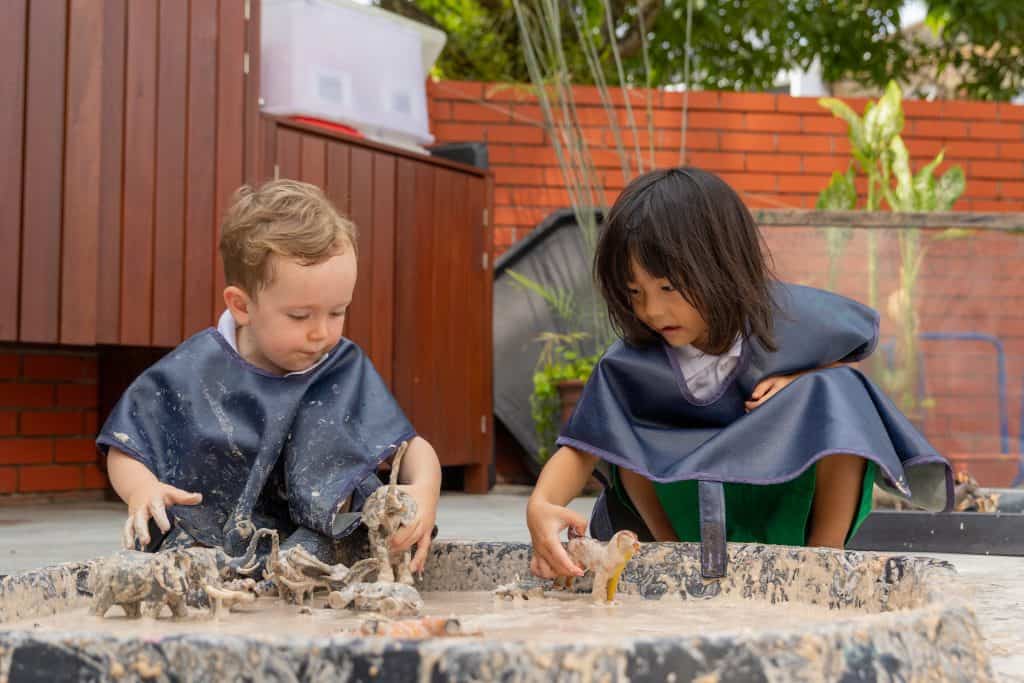
Not all children will give a detailed recap of their day; but happy children often show what they’ve learned. This might come through role-play, drawings, building, or even teaching you something new in their own way.
It’s also important to understand the difference between age and ability. A 5-year-old may not yet have the language or sequencing skills to clearly explain their day. Their responses might be brief, scattered, or focused on a single moment, and they may express their experiences more through play or actions than words. In contrast, a 7-year-old is typically more able to recall events, describe what they learned, and reflect on their experiences more clearly.
Recognising these developmental differences helps us adjust our expectations and better understand how our children communicate. At GIS, learning is designed to be meaningful and expressive at every stage, giving children multiple ways to engage and communicate their understanding in ways that feel natural to them.
7. They Feel Comfortable Being Themselves

At its core, happiness at school is about authenticity. A child who feels truly at ease will:
- Be less anxious about making mistakes
- Show confidence in who they are
- Feel accepted without needing to “fit in”
This kind of environment is intentionally built. As Ms Antonia shares:
“When children feel a sense of belonging, they develop the confidence to be themselves—and that’s when they truly thrive.”
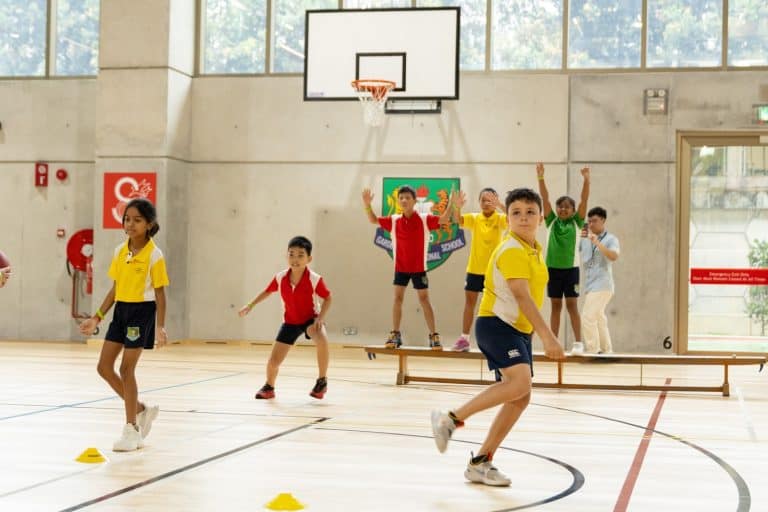
This sense of authenticity is further nurtured at GIS through a strong emphasis on wider learning—where education extends beyond the classroom into real, meaningful experiences. From play-based exploration in the early years, to activities such as outdoor learning, creative arts, sports, and co-curricular programmes, children are given opportunities to discover their interests, develop new skills, and build confidence in different environments.
These experiences help them explore who they are, nurture their passions, and grow into well-rounded individuals who feel a true sense of belonging in their learning journey.
When to Look Closer: Warning Signs to Note
As important as it is to recognise and acknowledge when a child is happy at school, we must always pay close attention to warning signs of discomfort, or lack of interest in school. While every child has off days, there are signs that may warrant further attention, such as:
- Exhibiting an ongoing reluctance or anxiety about school
- Withdrawal from friends or activities
- Emotional outbursts after school
- Sudden behavioural or mood changes
- Avoidance when talking about school
These aren’t causes for alarm, but they are signals worth exploring. Both parents and educators play a role here. At school, open communication with teachers ensures that any concerns are addressed early and collaboratively. At home, it helps to:
- Ask gentle, specific questions
- Observe patterns over time
- Maintain consistent routines
- Create safe spaces for sharing
Most importantly, do not dismiss your child’s questions or concerns because you are not ready to deal with it. Acknowledge and act. As highlighted in GIS’ approach, strong partnerships between home and school are key to supporting a child’s overall wellbeing.
Looking Beyond the “Fine”
As parents, it’s natural to look for reassurance in our children’s words. But often, the real answers lie in what we observe.
Does your child walk into school with ease?
Do they talk about their friends?
Do they show curiosity, confidence, and authenticity?
These quiet signals matter.
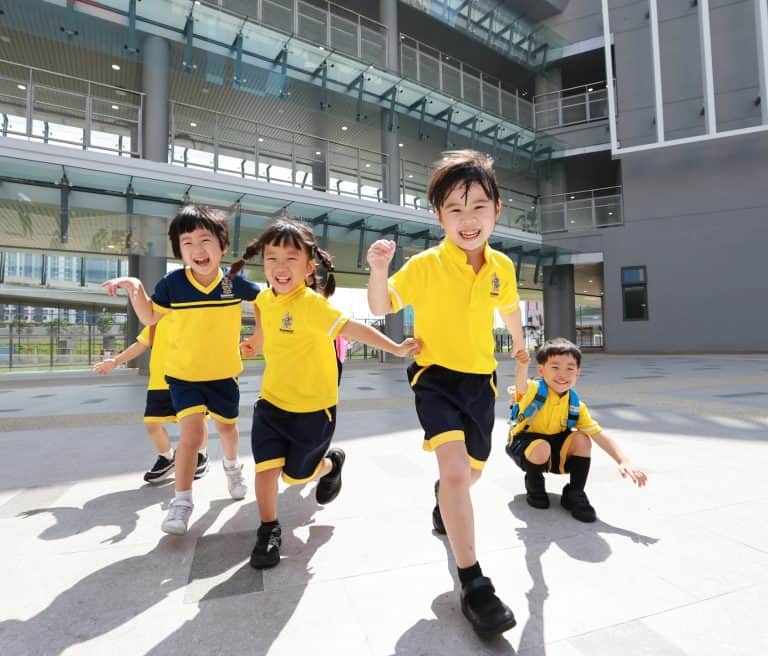
Because when a child feels safe, engaged, and understood, school becomes more than a place to learn.
It becomes a place where they truly belong—and where happiness, in its fullest sense, can grow. After all, when happy kids thrive in a happy learning environment, that is your finest recipe to academic excellence.
This is a sponsored post by Garden International School (GIS).
Enjoy a special May promotion when you register your child at GIS’ Early Years Centre(EYC) with a 100% application fee rebate and a 50% registration fee discount. This exclusive offer is valid from 1st May to 31 st May 2026. Contact their friendly Admissions Team, or visit their website for more info.